
OPENING 15 NOV. 2025 18:00 / 6 PM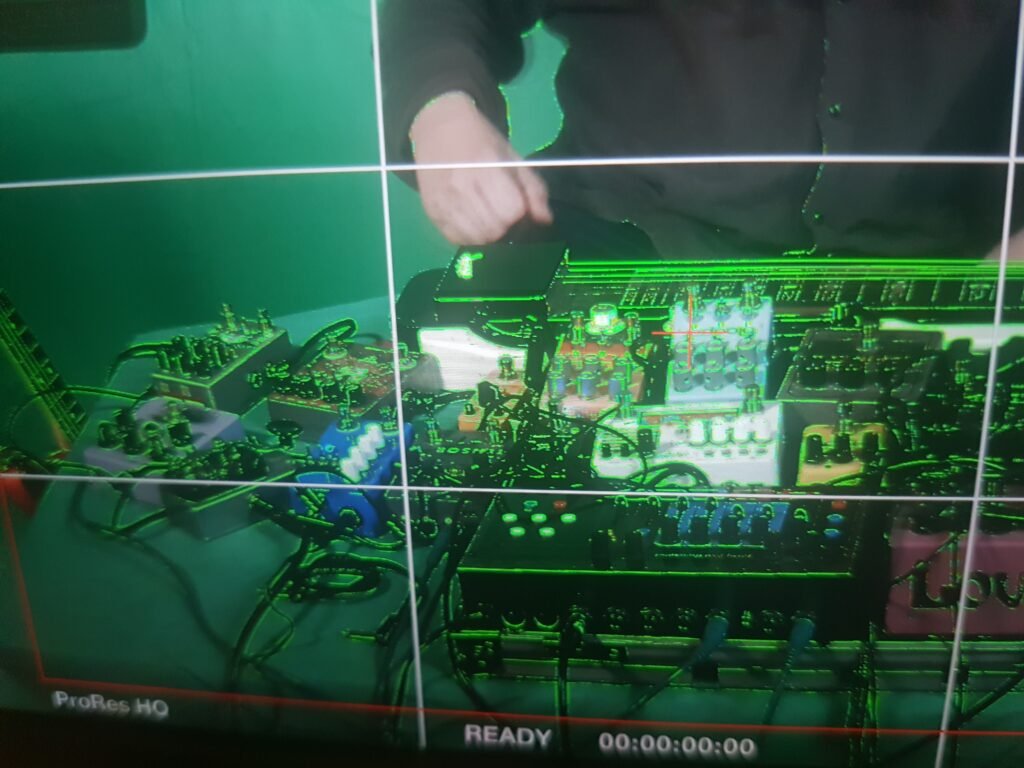
STREAM.fields
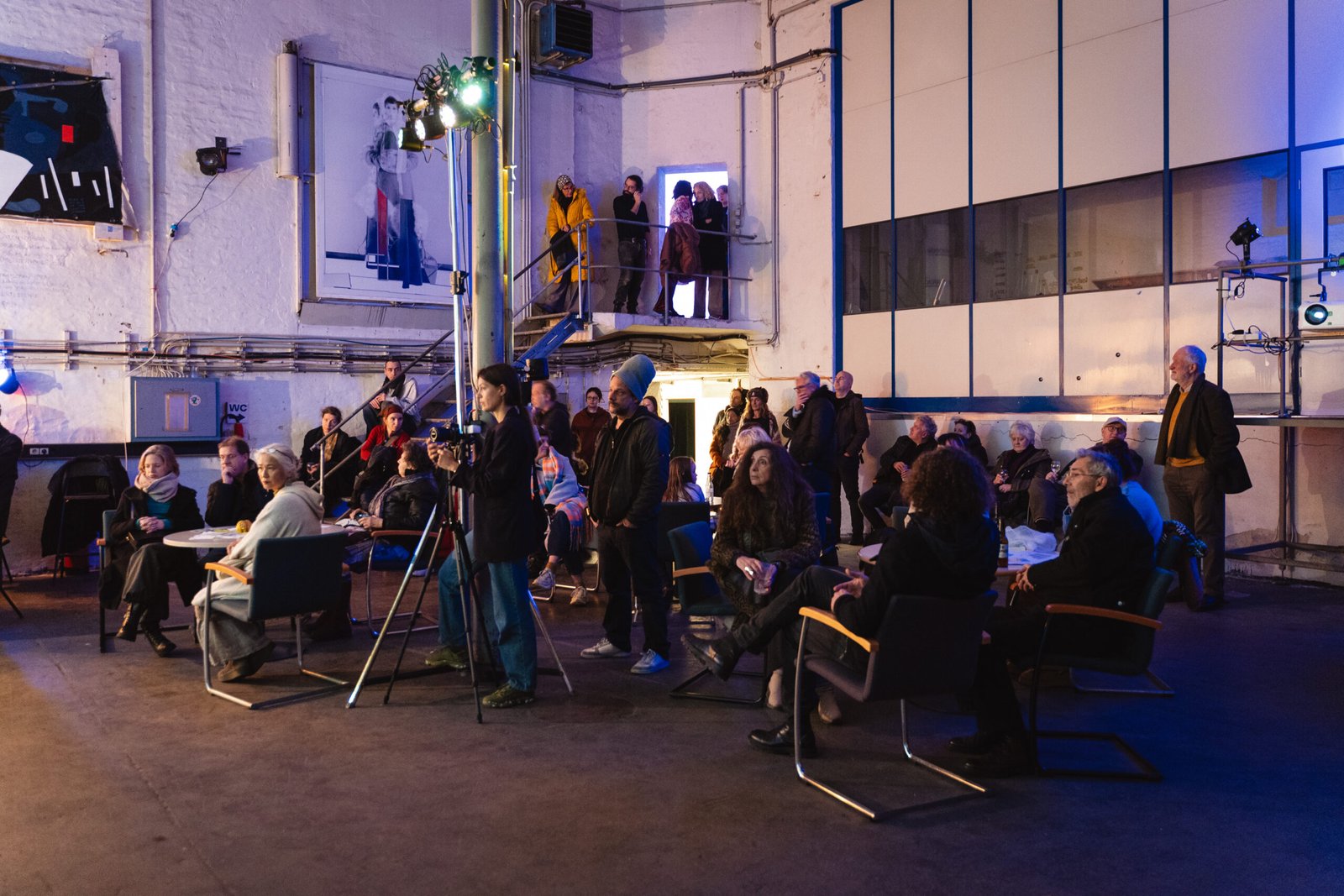
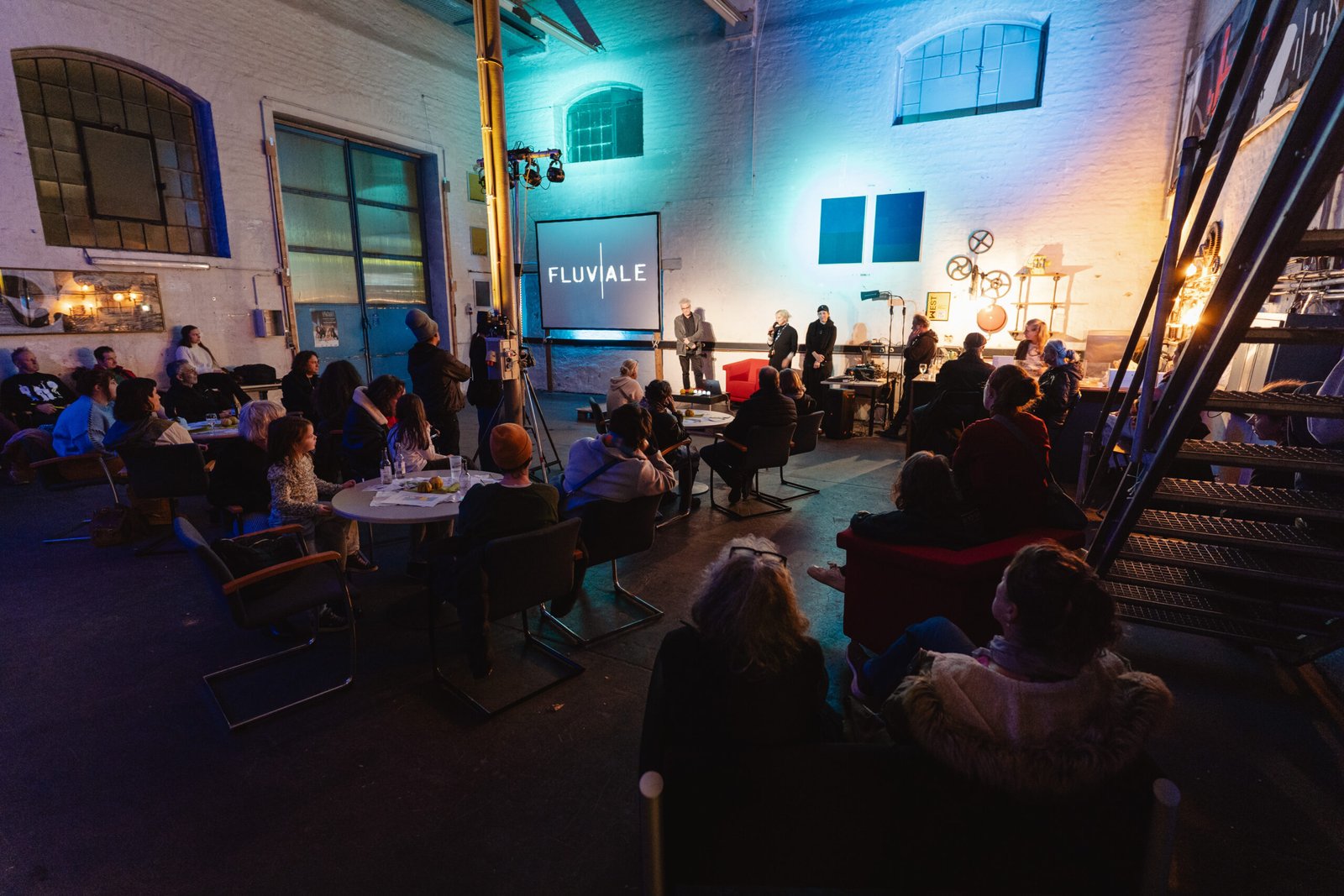
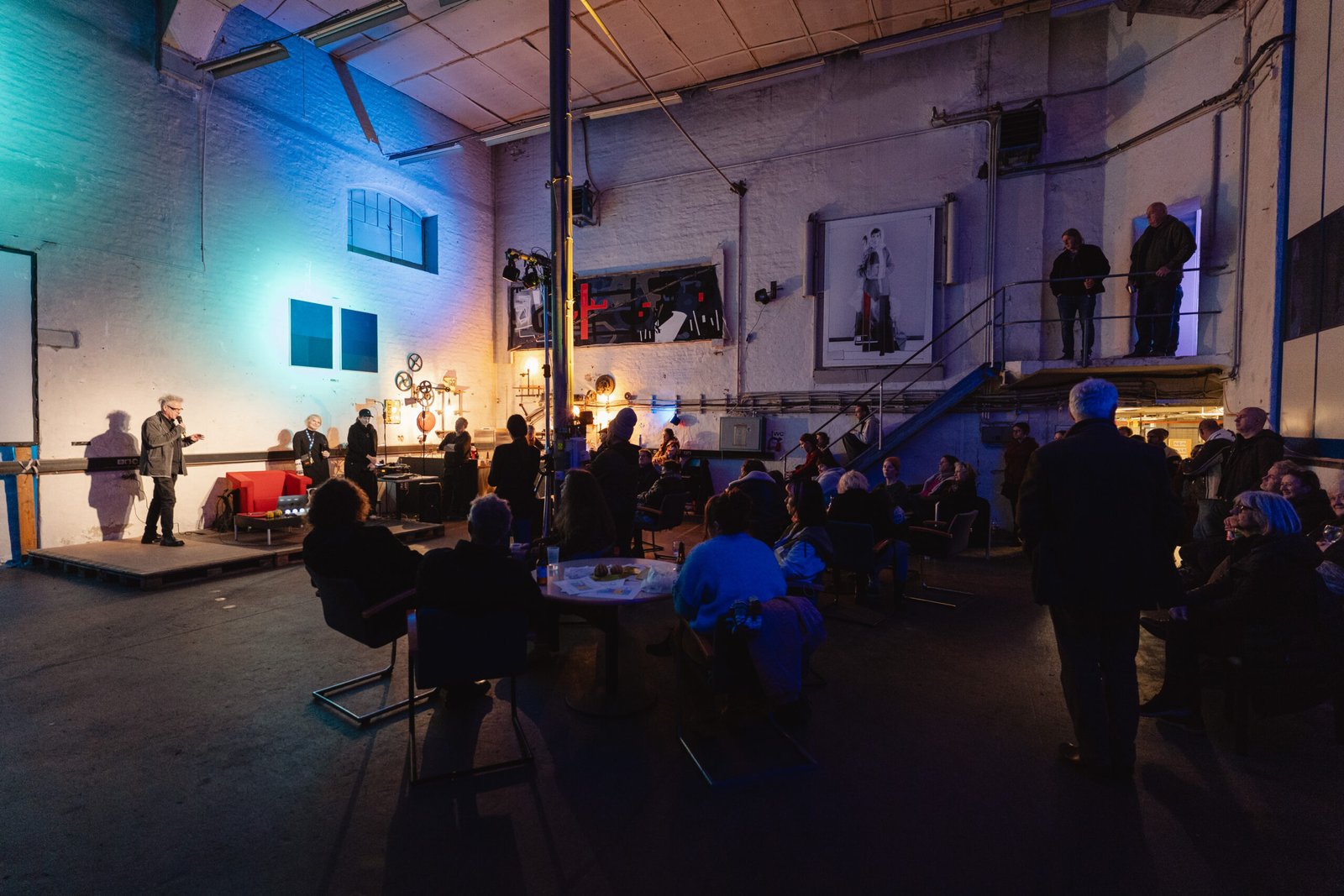
18:00 / 6 pm. OPENING with:
Thomas J. Jelinek – artistic director and curator
with the co-curators:
Jennifer Helia DeFelice for the Czech artworks | Vasulka Kitchen and FAMU Prague / Univ. Brno
Sabine Maier for the lab FASSFABRIK
and
Gertrude Moser-Wagner Chair of the FLUVIALE Board
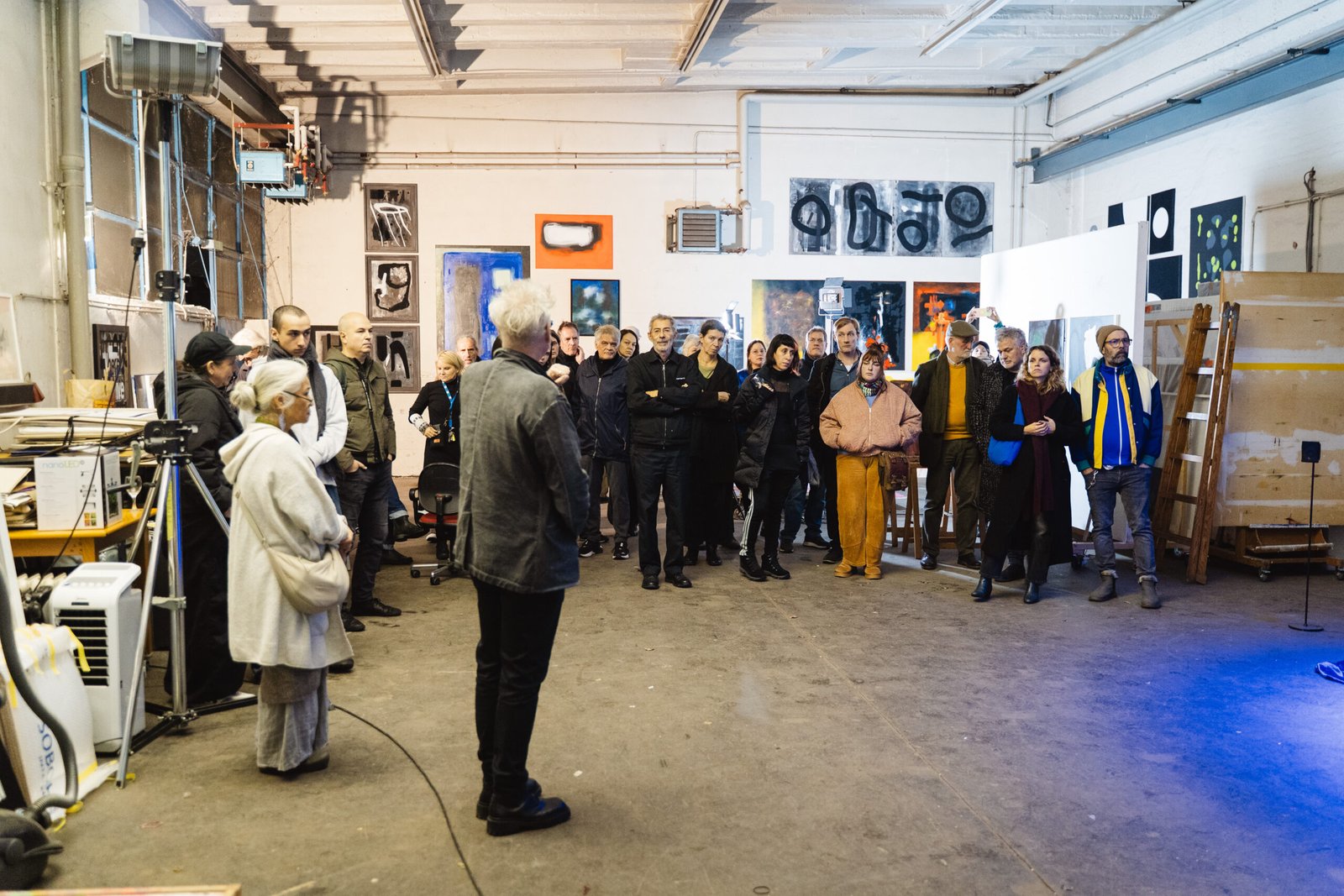
18:30 / 6:30 pm Guided tour of the rooms – Presentation of the exhibition
T.J. Jelinek in dialogue with Sabine Maier
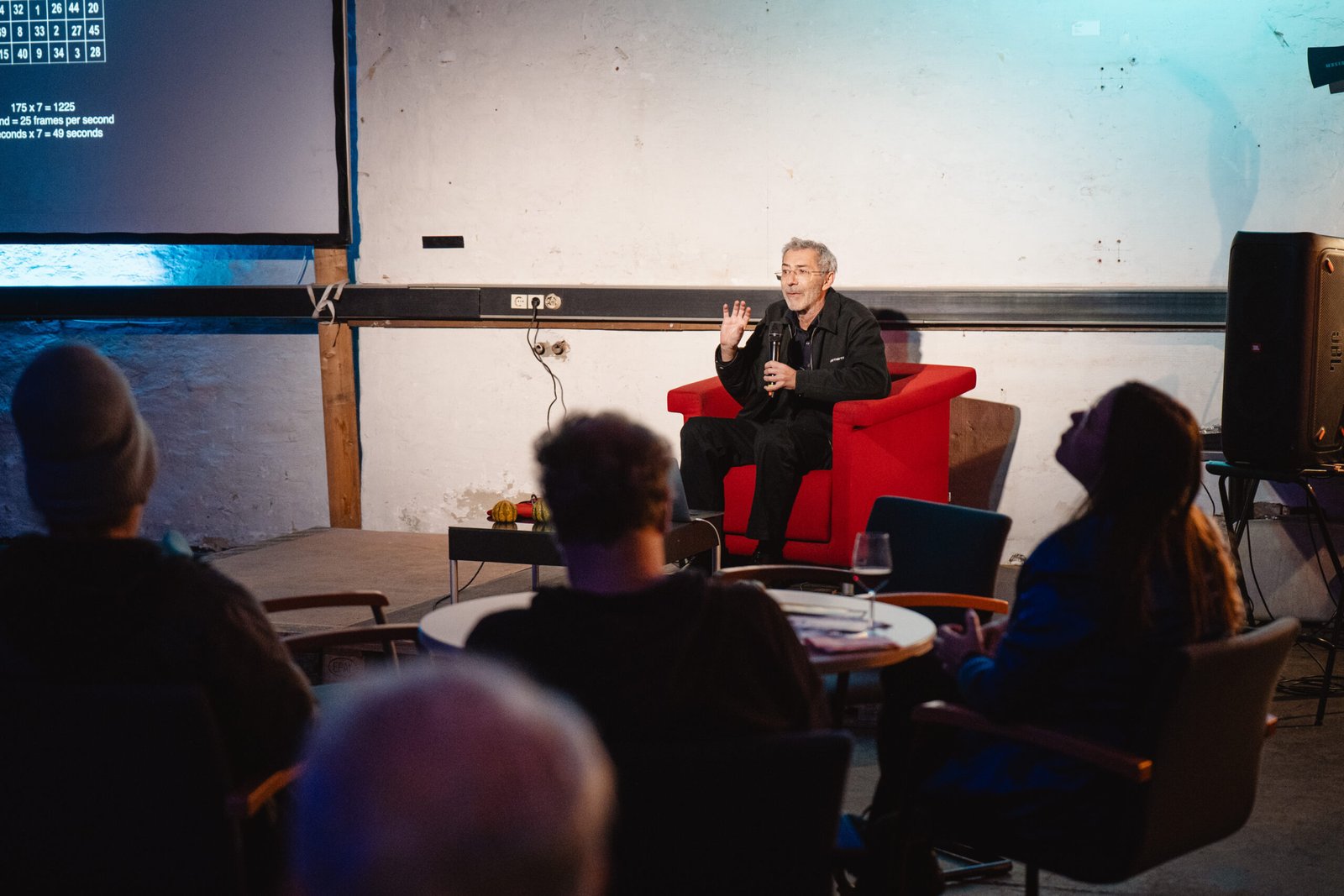
19:00 / 7 pm Film presentation – grey) (area Zagreb
by Darko Fritz
Zagreb Confidential – Imaginary Futures explores visions of the future depicted through urban development. The film, in its essence, can be regarded as a form of a time structure and as such it questions not only the vision of future on a realistic example of New Zagreb but it also questions the structure of film as such.
Director and screenwriter: Darko Fritz
Producer: Ivana Marinić Kragić
Editing and Algorithmic Editing Programming: Ivan Marušić – Klif
Soundtrack Composer: Francisco Lopez
3D Architectural Modeling: Nenad Ravnić & Nikica Pavlović
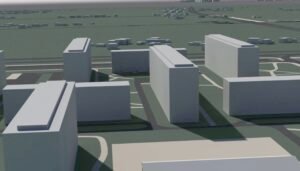
Director of Photography: Ivana Marinić Kragić
Match Moving: Tom Vujnović
3D Rendering: Vizije S.F.T.
Production Marinis Media 2015
Laboratory and exhibition
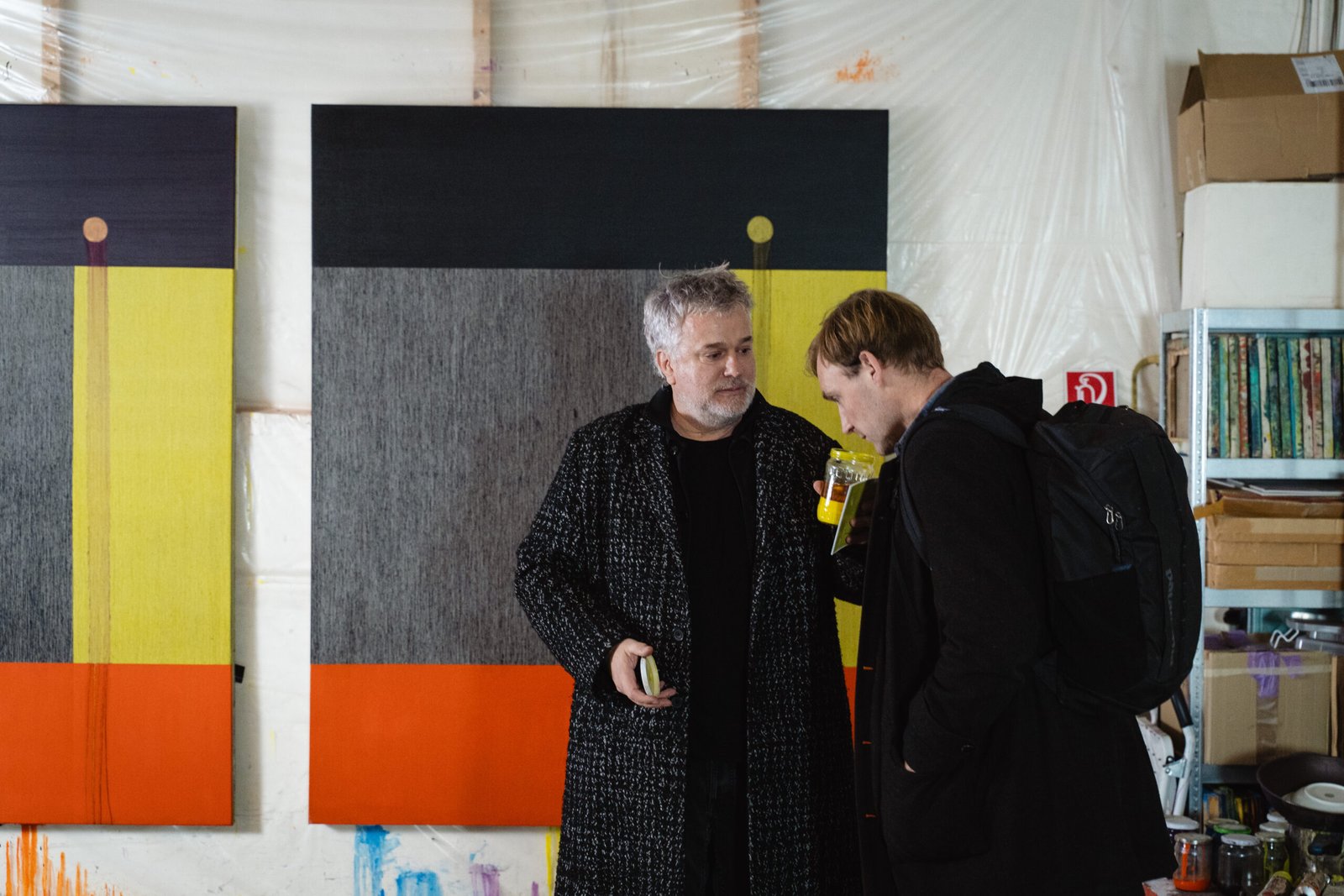
An interactive, walk-in landscape staged by Thomas J. Jelinek and curated in collaboration with Jennifer Helia DeFelice.
The works focus on contemporary trends in climatological, biological, media and media technology, as well as political terms, and use these to create interactive installations, objects and readable processes that can be followed throughout the exhibition.
ARTISTS:
Rudi Aigelsreiter • Aiko Kazuko Kurosaki • Kerstin Bennier • Agronauts’ Collective • Jennifer DeFelice • Sylvia Eckermann • Cindy Fodor • Nicolas Freytag • Gerhard Himmer • Alfred Hruschka • Helena Jiráková • Sebastian Leopold • Ernst Logar • Hana Magdoňová • Sabine Maier • Ingrid Mayrhofer-Hufnagl • Gertrude Moser-Wagner • Veronika Poslední • Patrizia Ruthensteiner • Lucie Strecker • Christoph Theiler • Verena Tscherner • Anna Vasof • Ondřej Vavrečka • Conny Zenk • A.O.

MEDIA ART-LAB
F E L D S T R Ö M U N G E N – S T R Ö M U N G S M U S T E R
F I E L D C U R R E N T S – C U R R E N T P A T T E R N S
In science, a field is a physical quantity, represented by a scalar, vector, or tensor, that has a value for each point in space and time. An example of a scalar field is a weather map, with the surface temperature described by assigning a number to each point on the map. A surface wind map, assigning an arrow to each point on a map that describes the wind speed and direction at that point, is an example of a vector field, i.e. a 1-dimensional tensor field.
Field theories, mathematical descriptions of how field values change in space and time, are ubiquitous in physics.
The streaming field is a term used in field theory and is used in electrodynamics and fluid mechanics, among other fields. The streaming field specifies a velocity for each point in space and at each point in time at which physical quantities, such as material properties, force effects and interactions, are transported within a spatial area.
Streaming patterns occur in various natural and artificial environments in which liquids or gases are in motion. They arise wherever matter of different densities and velocities interact with each other. In flowing waters, streaming patterns are created by the interaction of the water with the riverbed and obstacles such as stones or tree trunks. Ocean currents form large-scale flow patterns that are influenced by wind, the Earth’s rotation, and differences in temperature and salinity. In the air, flow patterns are created by winds that are influenced by pressure differences, temperature variations and the Earth’s rotation.
Flow patterns can also be observed in biological systems, such as the blood circulation of living beings, which are created by the movement of fluids in vessels.
These basic patterns can be used to negotiate the viral topics and problematic developments of our present day and illustrate them in a debatable way.The focus here is on illustrating the processes involved in the production of translations, readable forms, ‘works of art’ or the filtering of information and translation into language, mathematical formulas, as in research projects, as well as the processes of the analysed things and events themselves.
Thomas J. Jelinek

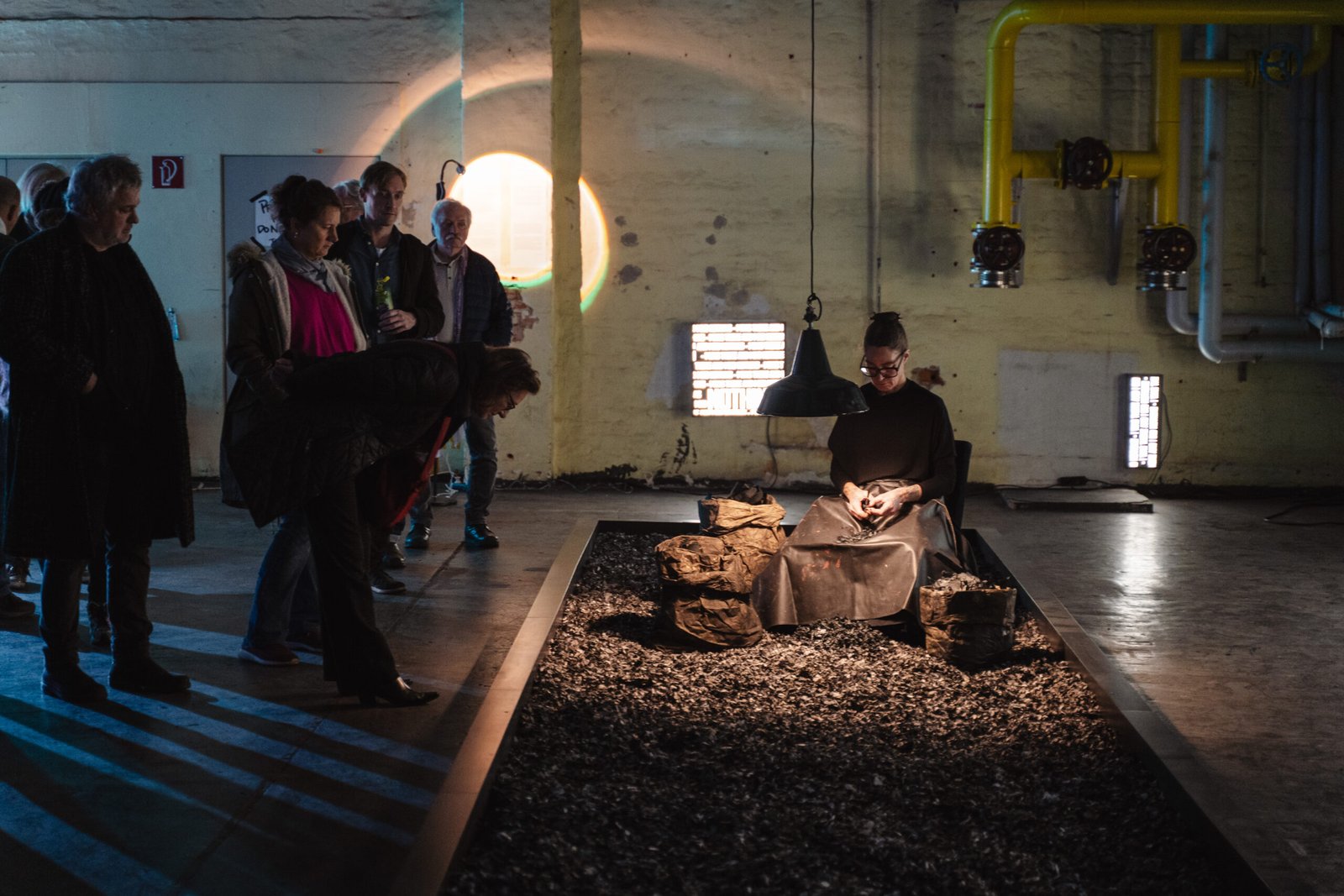
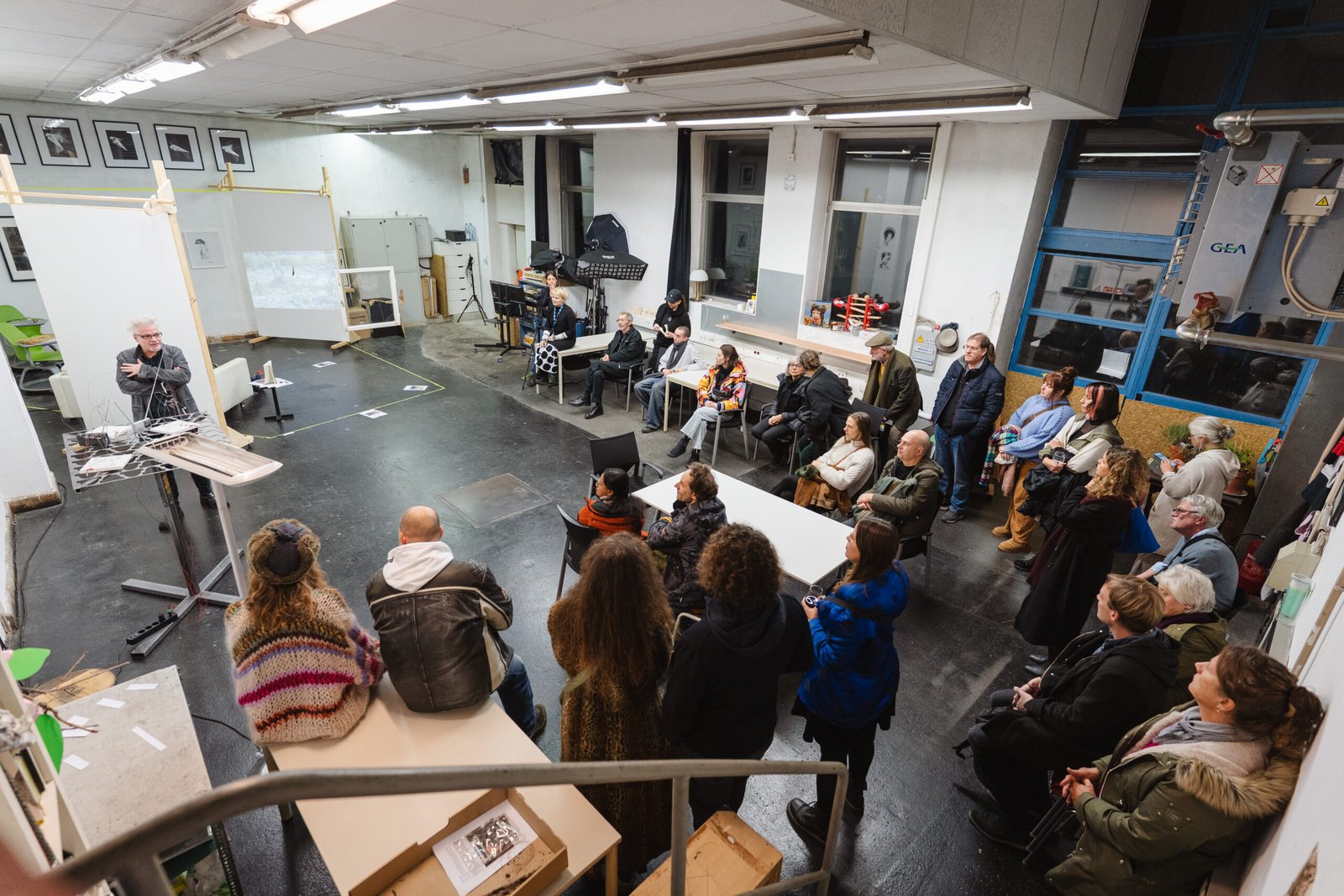
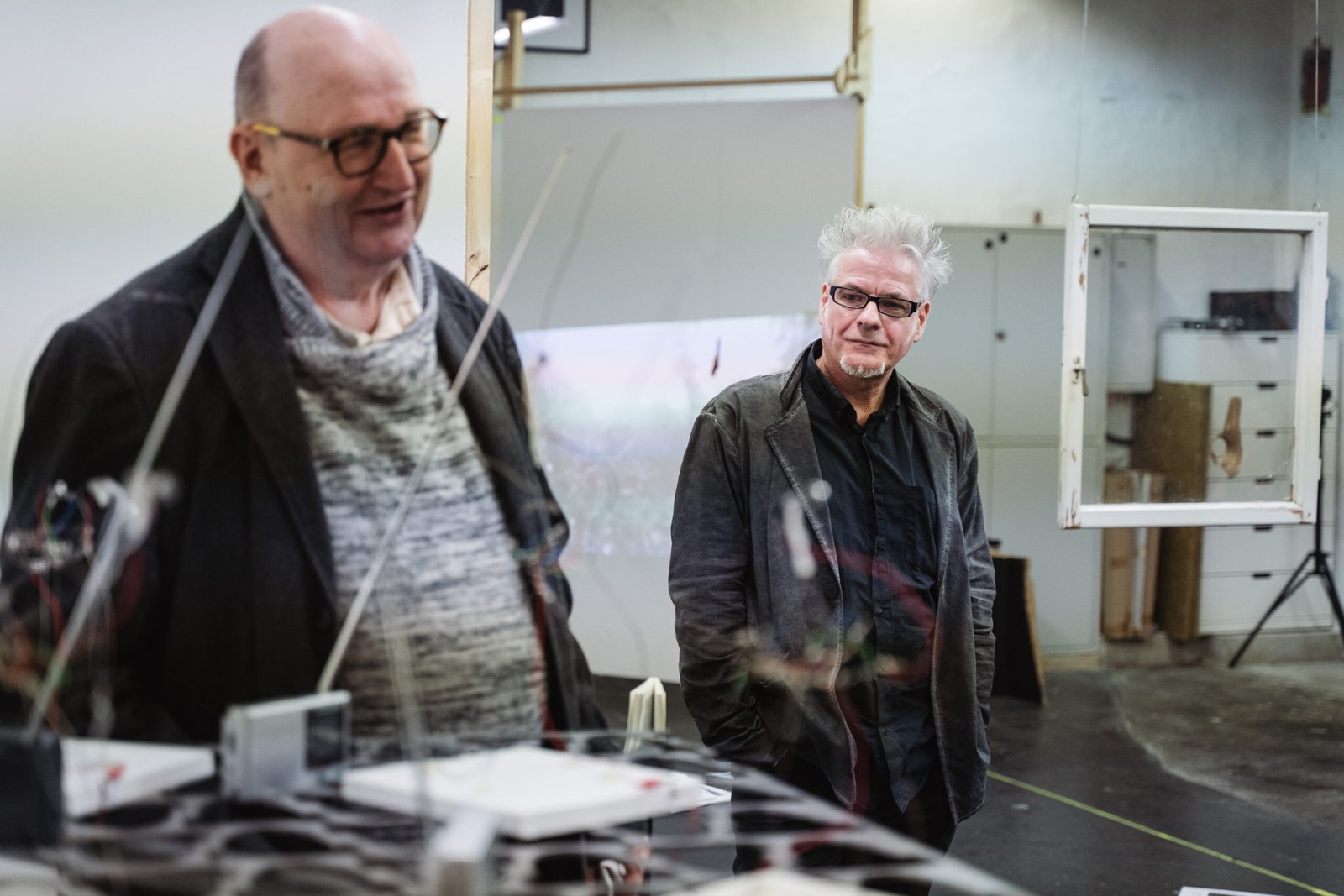
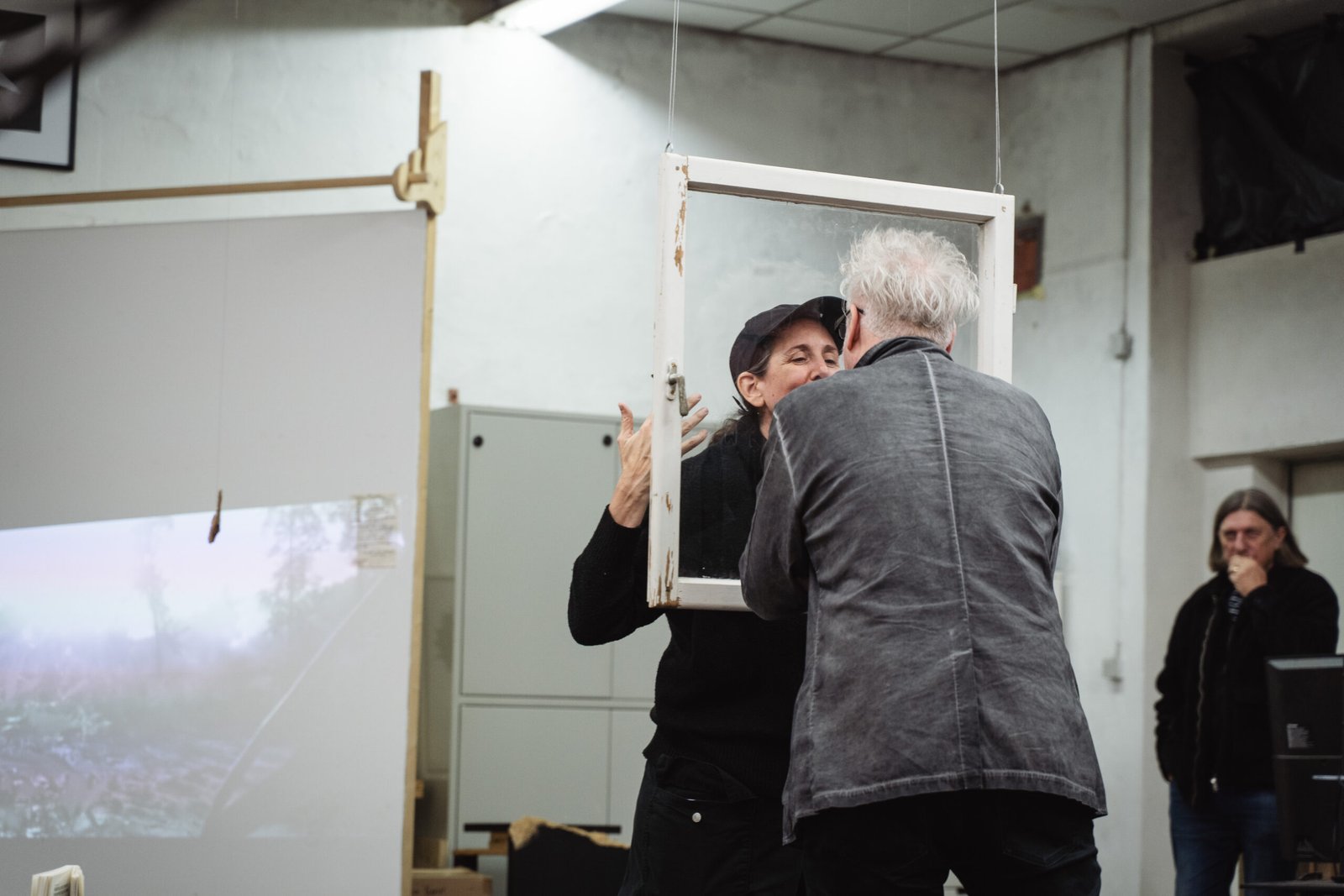
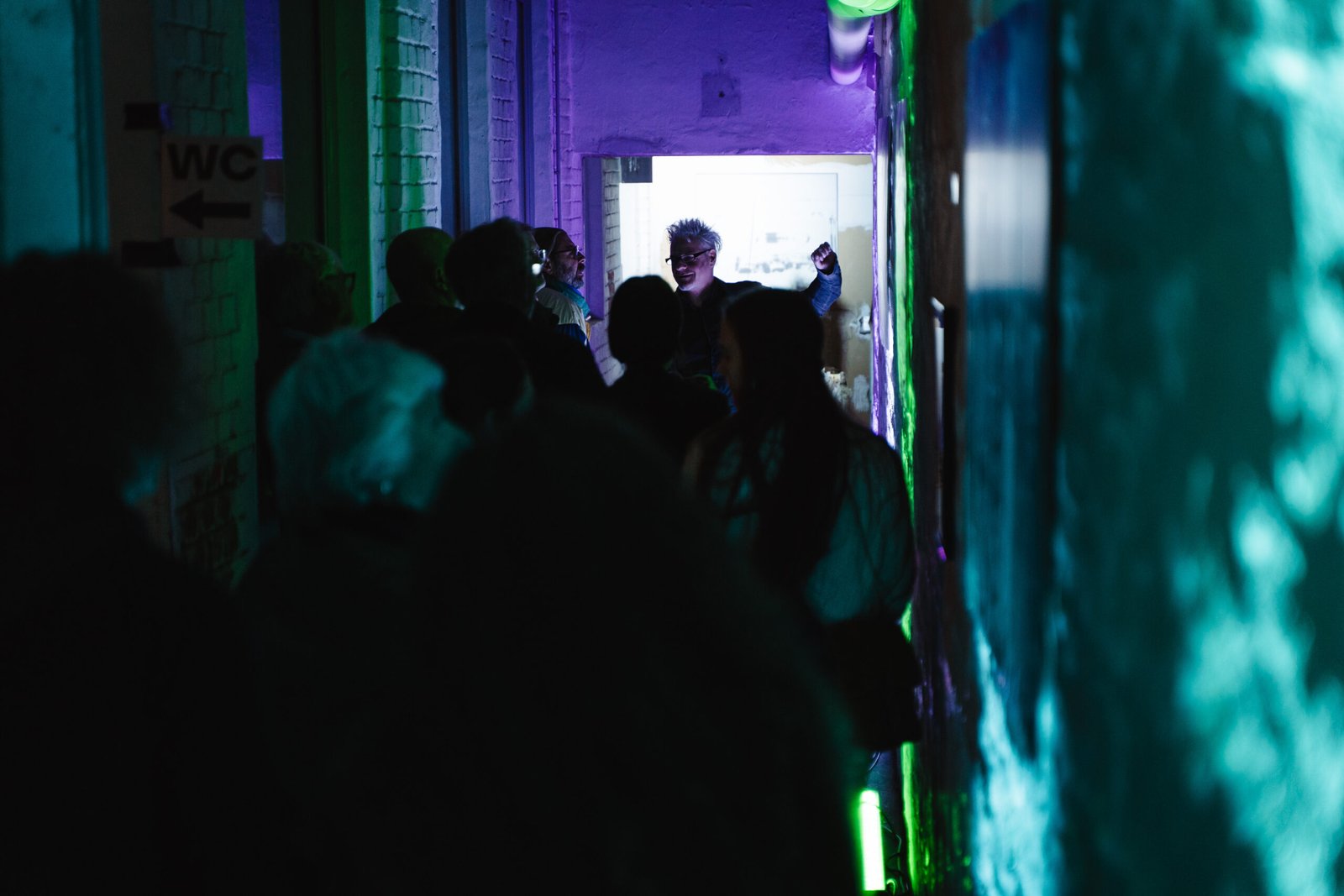
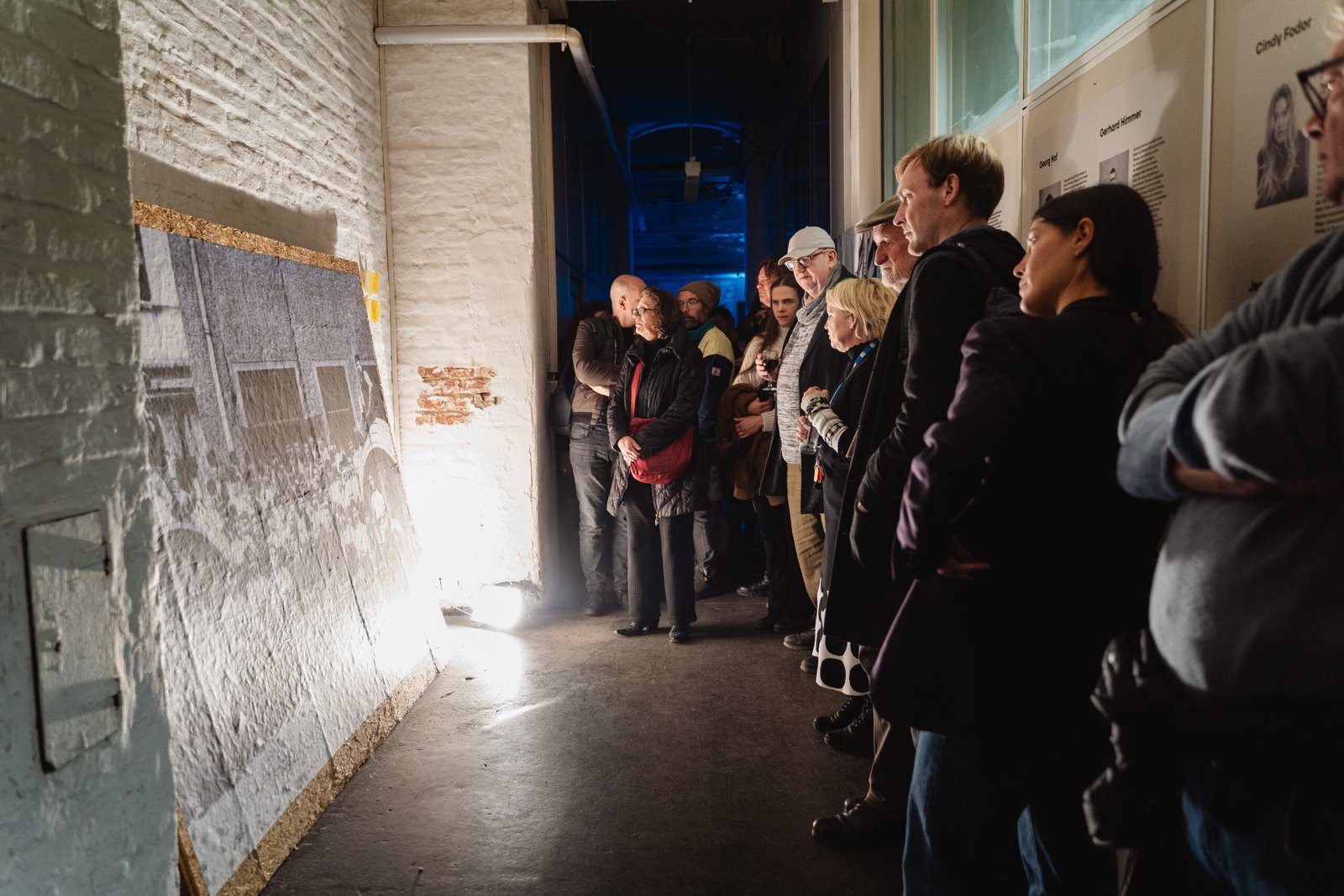
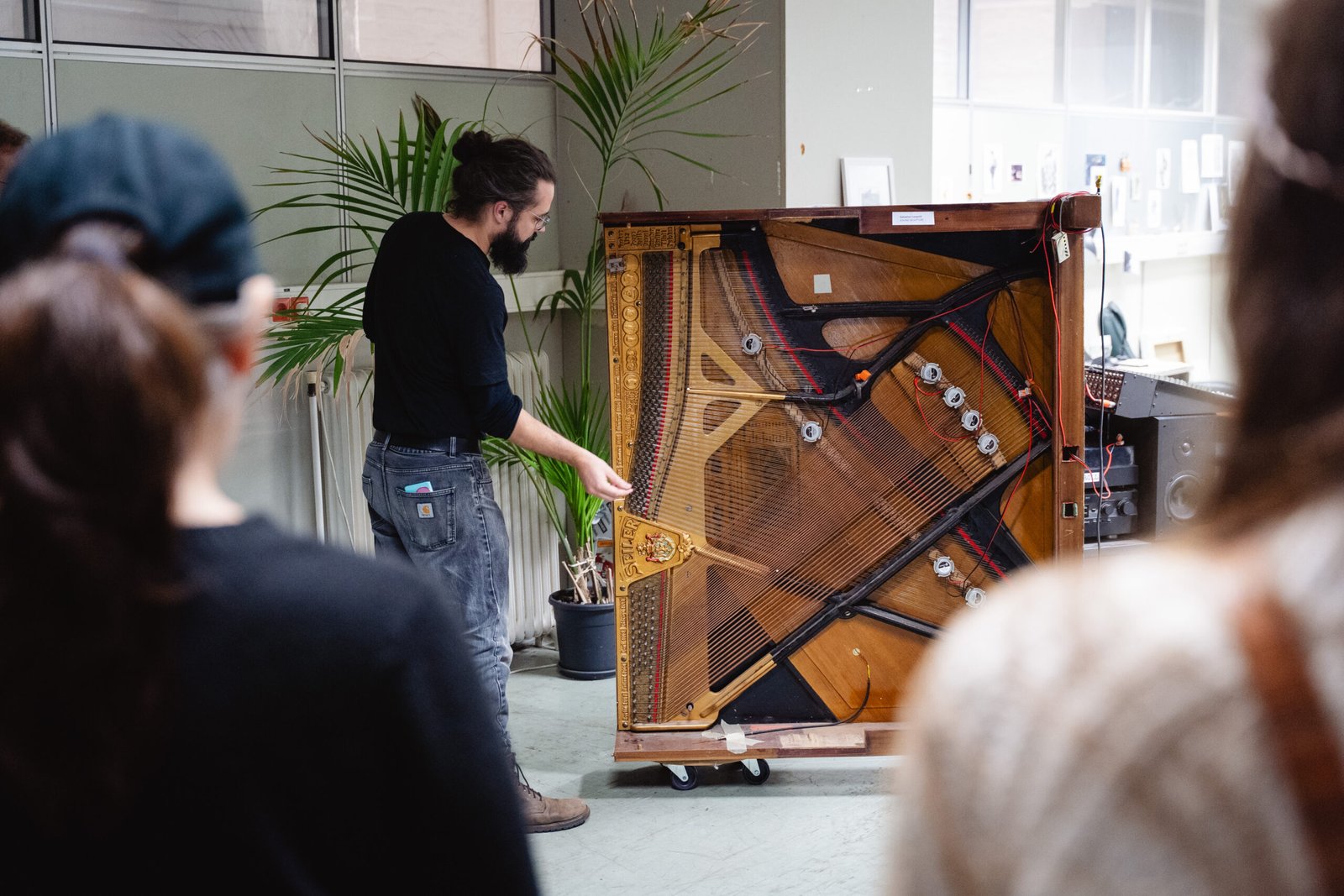
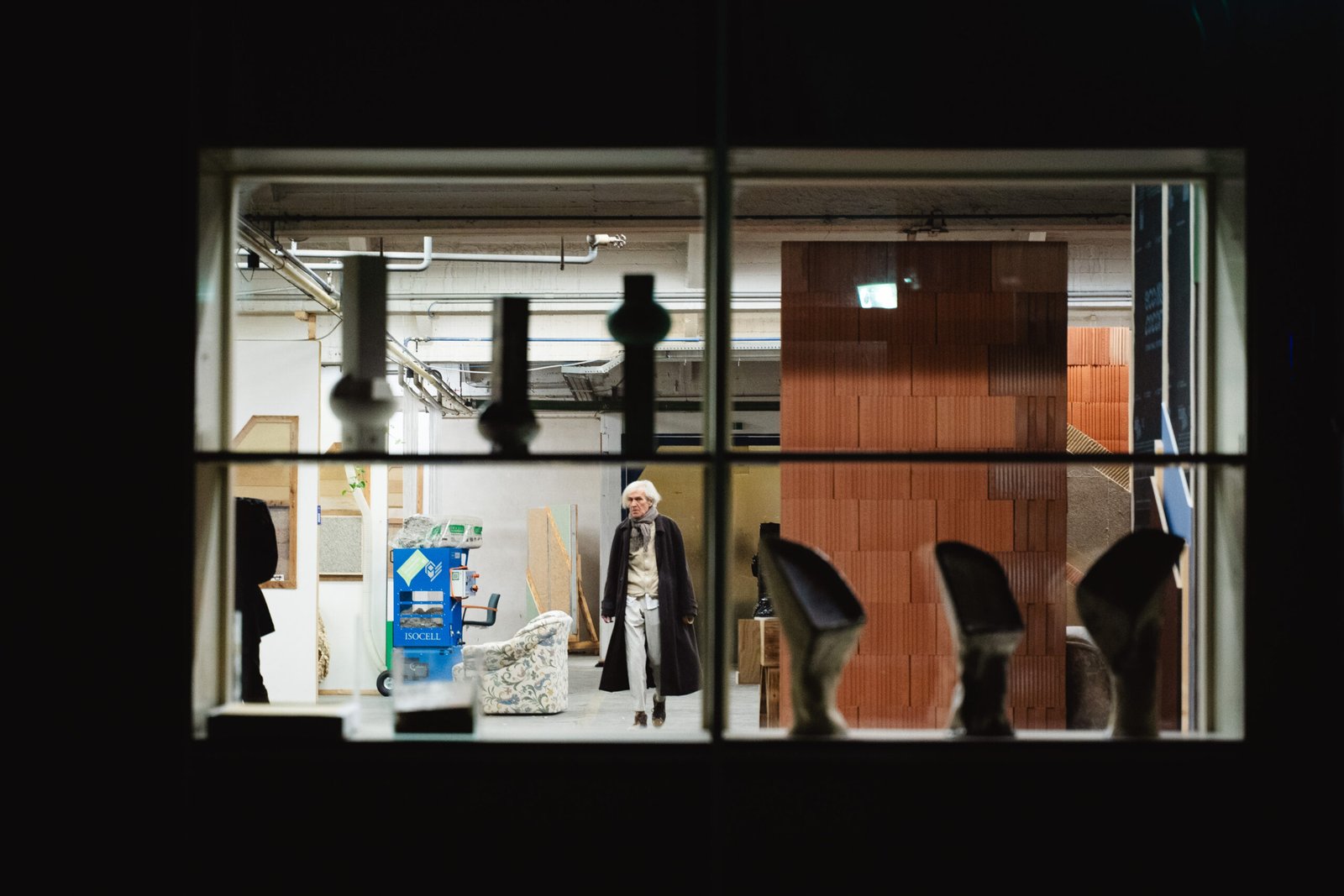
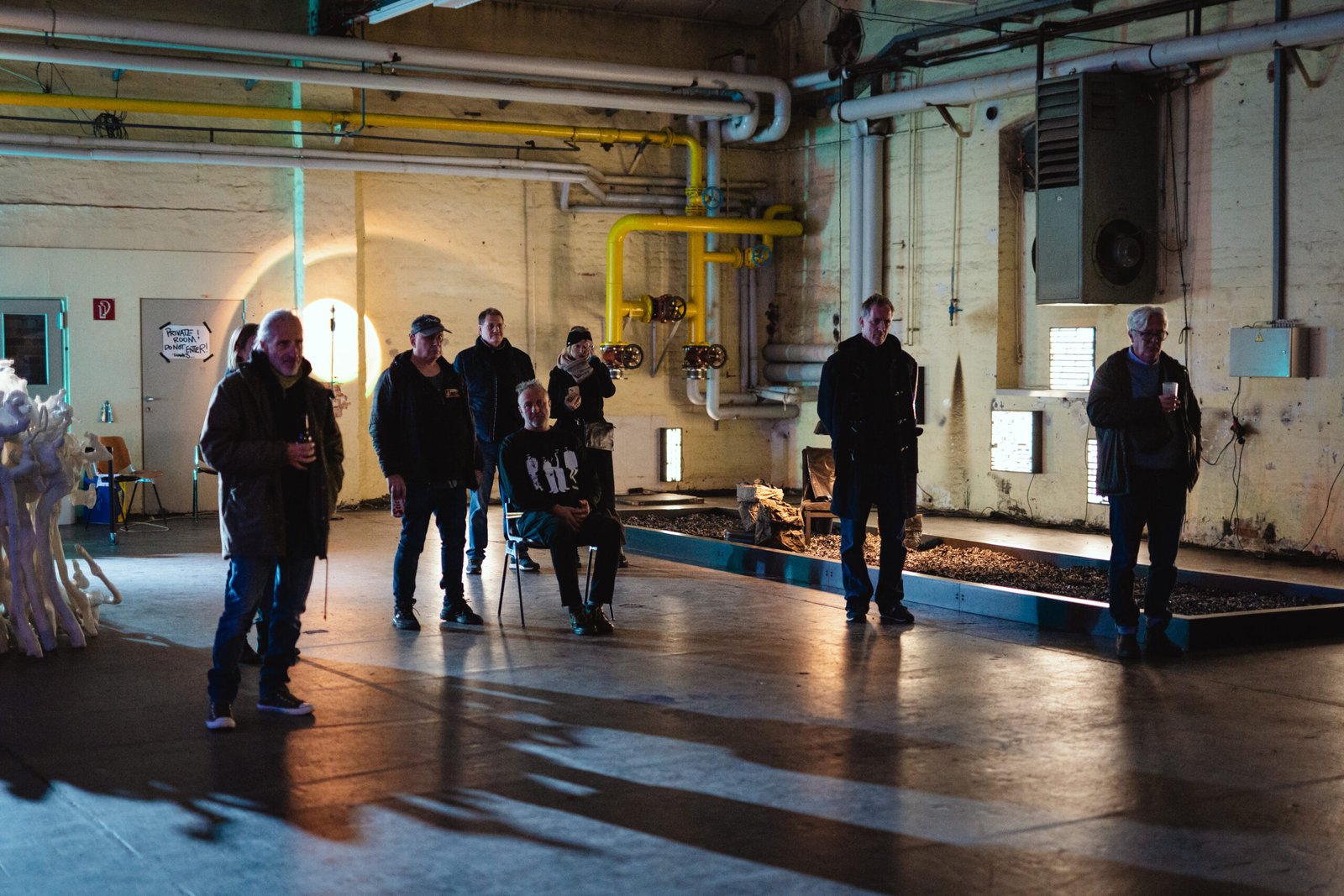
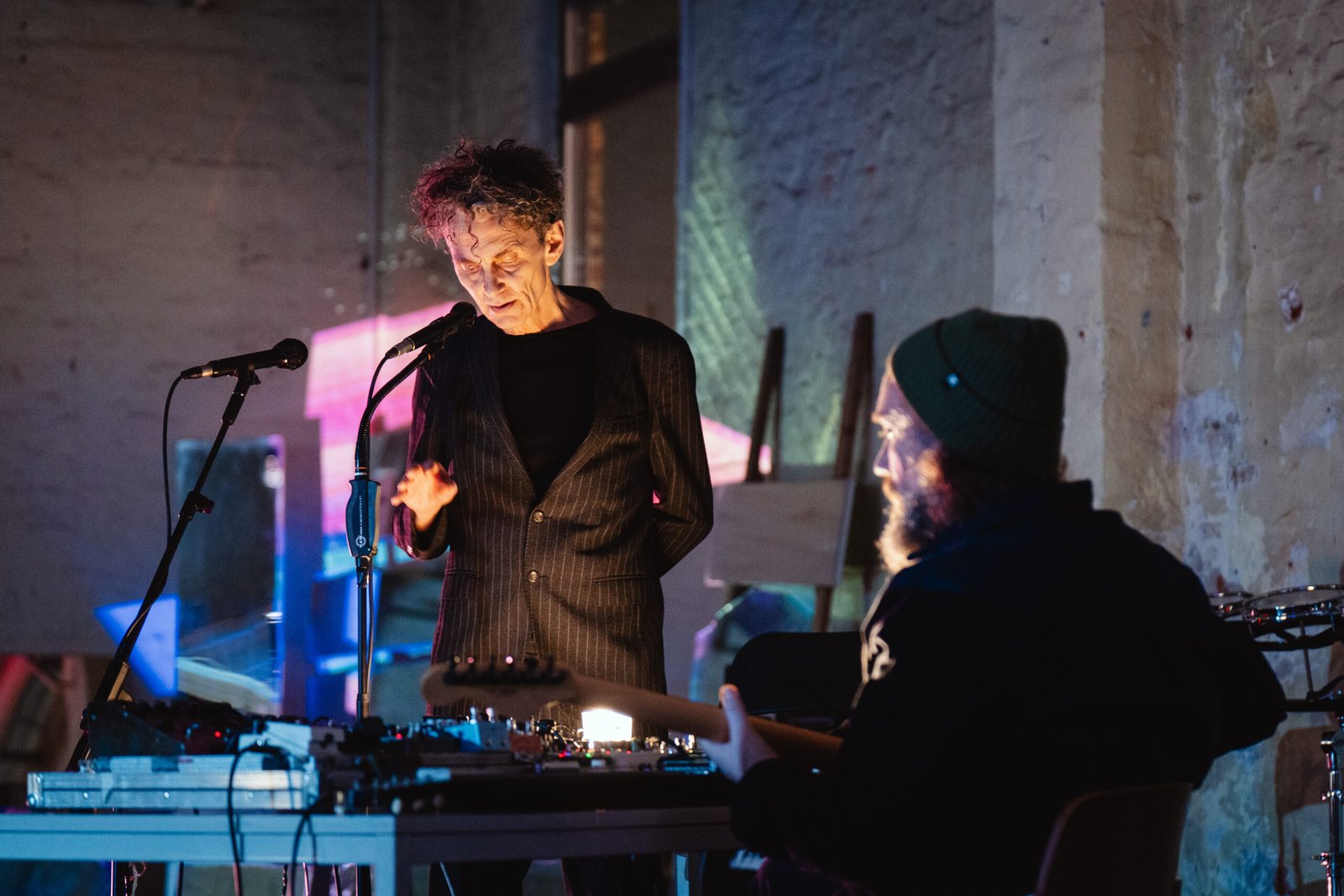
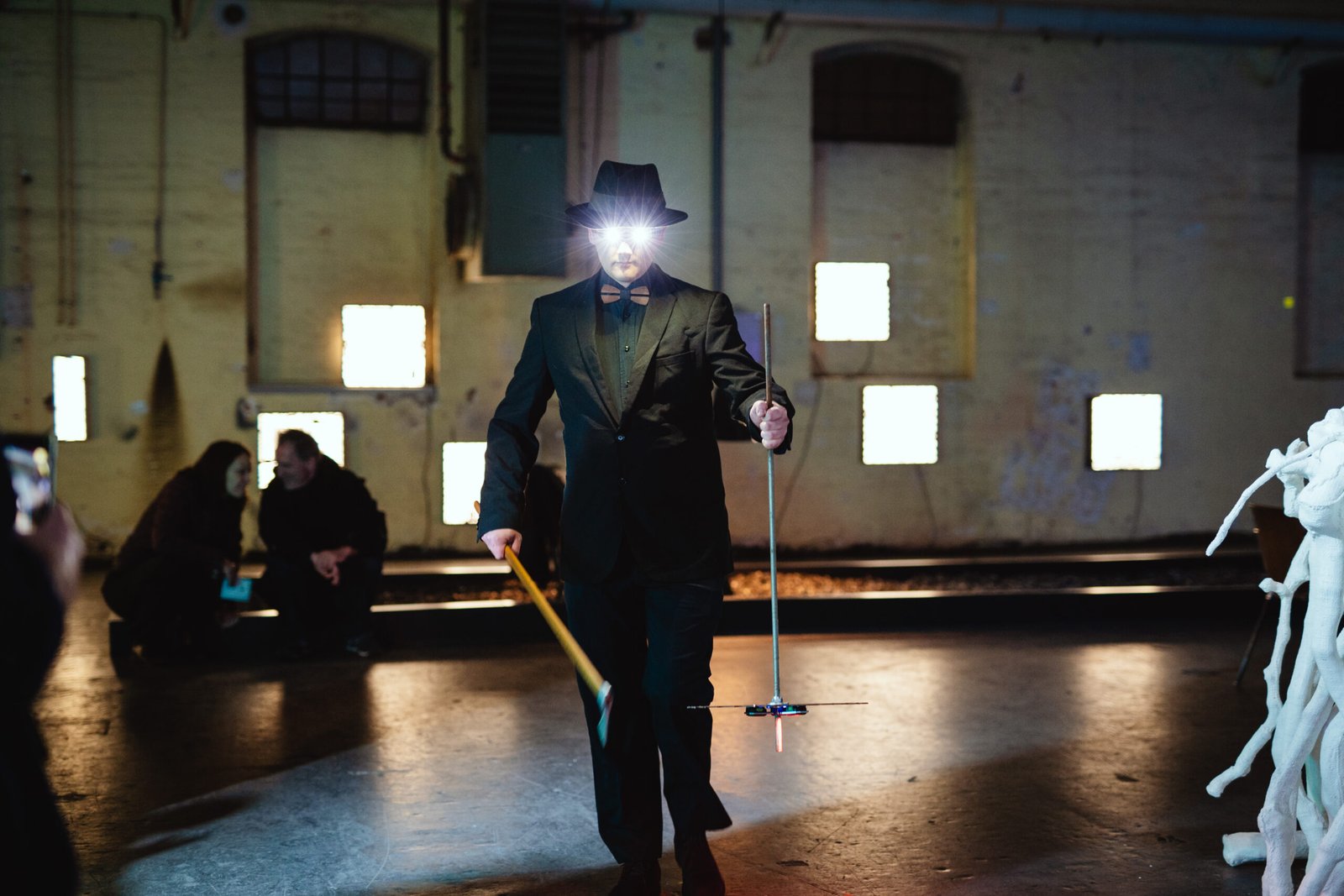
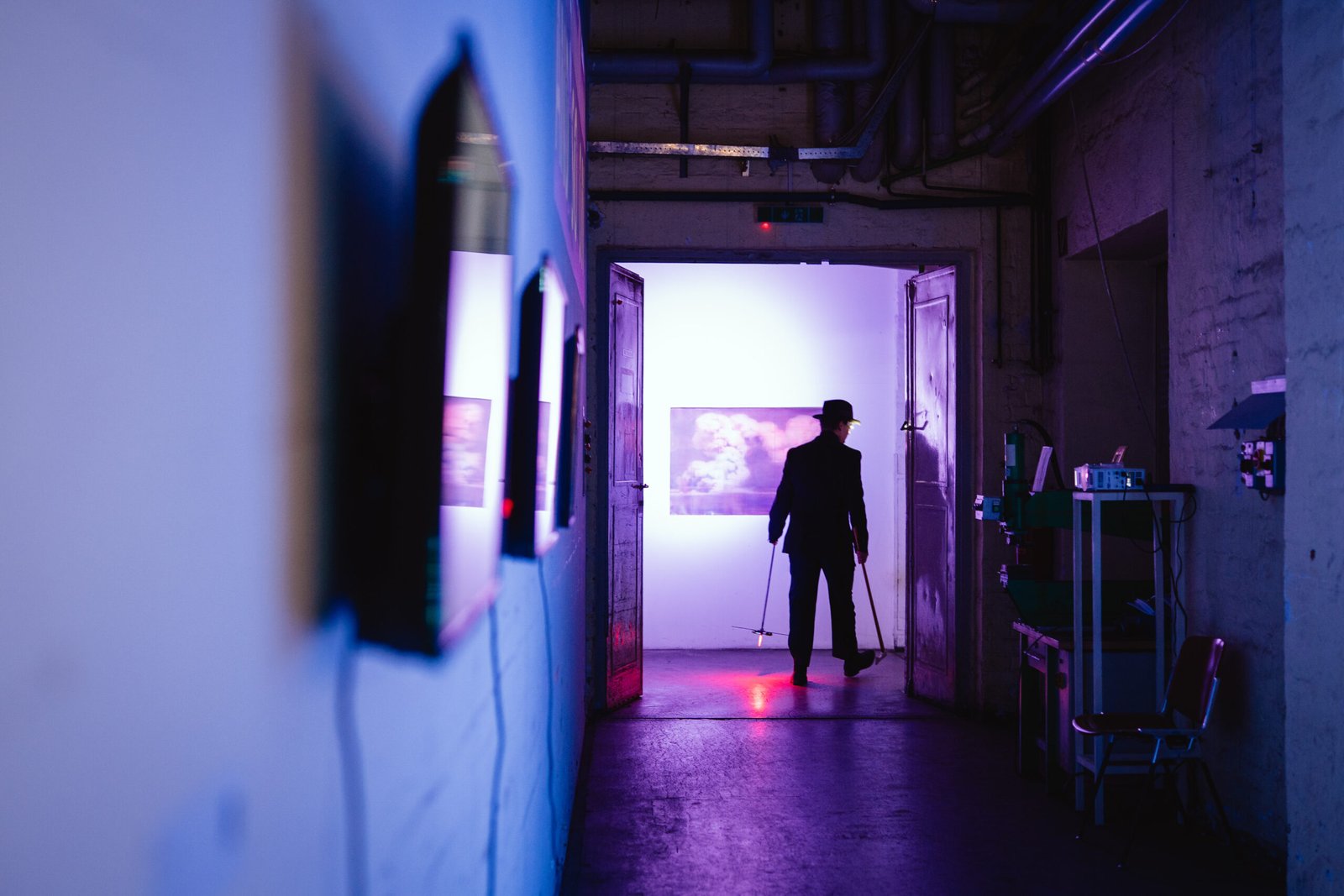
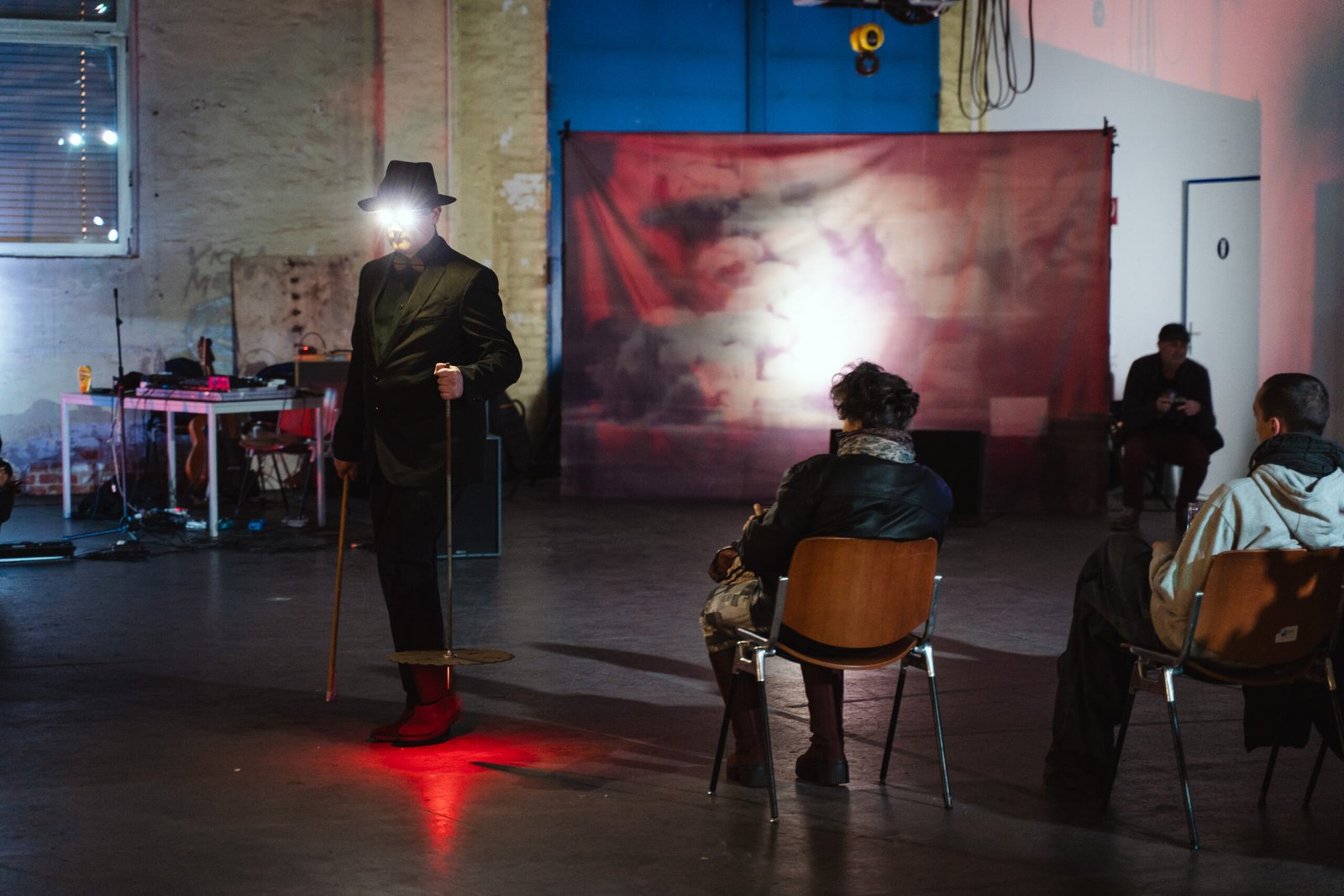
20:00 / 8 PM P E R F O R M A N C E S
STROMFELD 1
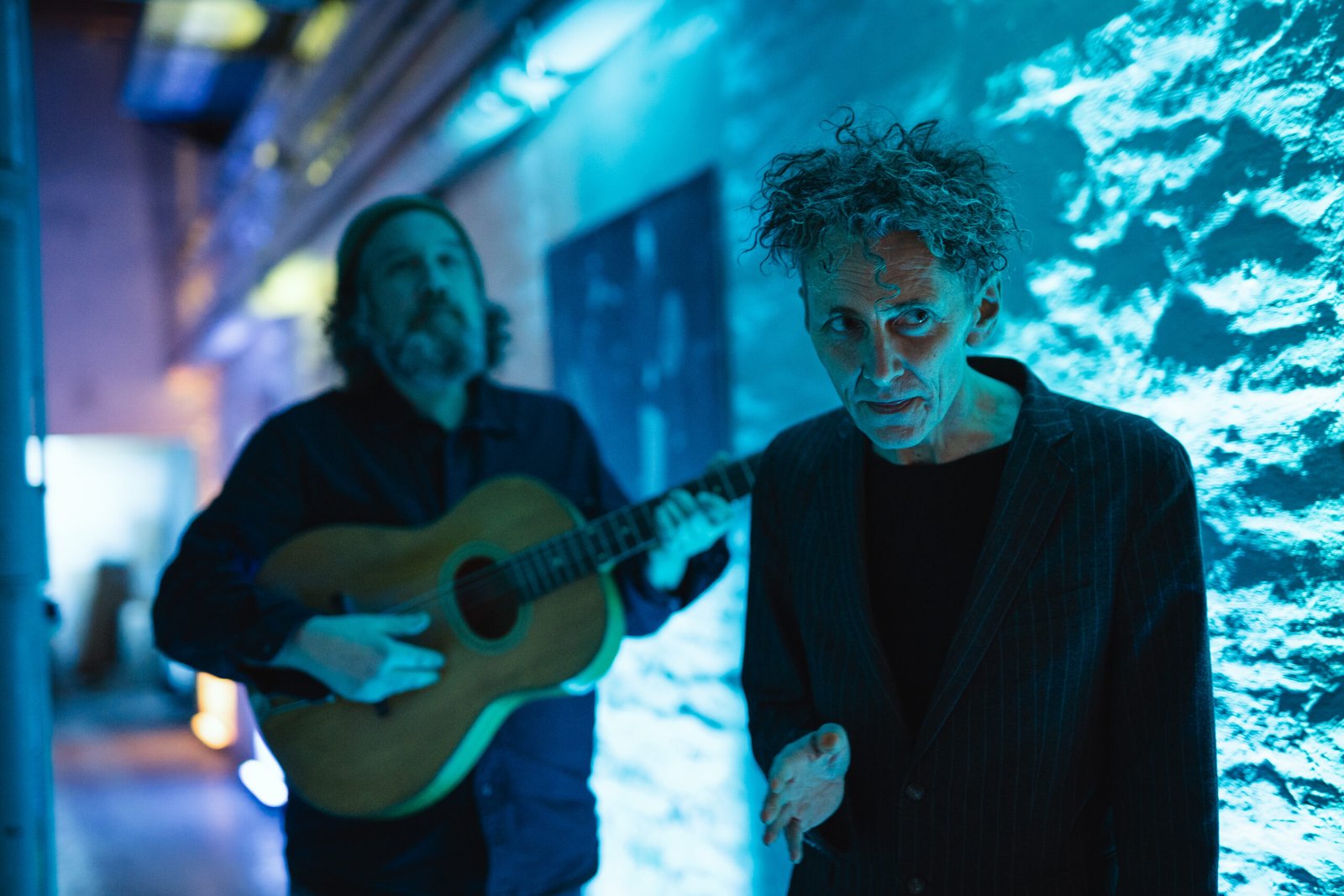
Martin Siewert and Christian Reiner
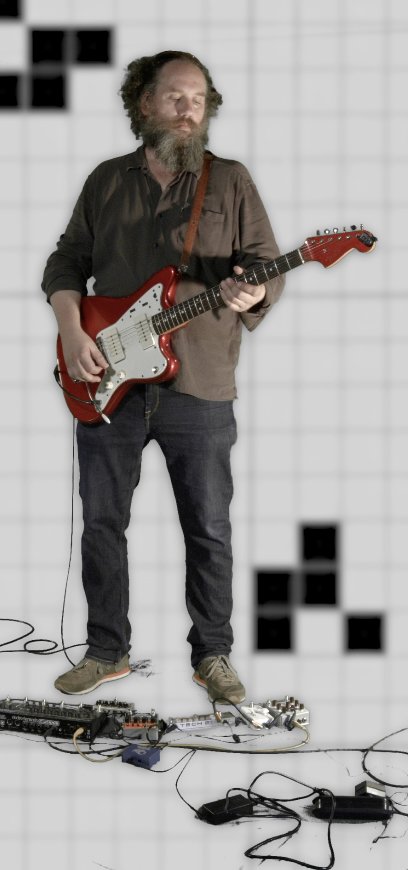
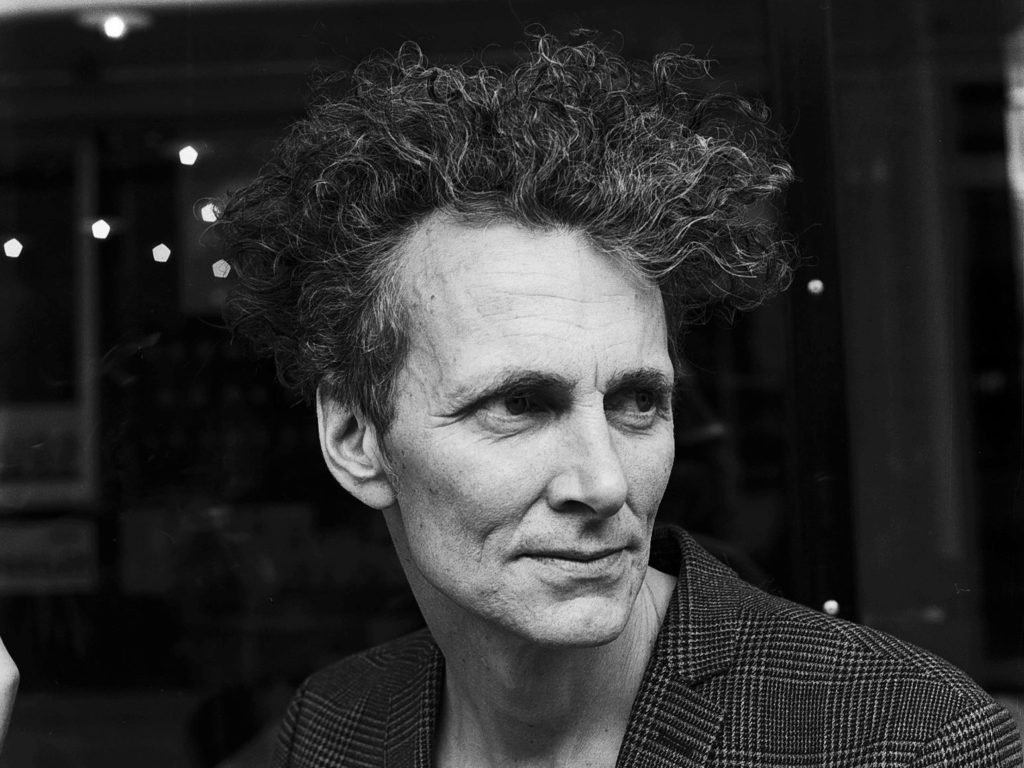
The Munich-born, Vienna-based classically-trained vocalist and voice artist Christian Reiner focuses on poetry, prose and experimental texts, and his work can be seen somewhere between language, the possibilities of the improvised human voice and music. He released two solo albums for ECM in which he recited the poetry of German poet Friedrich Hölderlin, «Turmgedichte» and explored verses written by Russian-American poet and Nobel laureate Joseph Brodsky on «Elegie an John Donne» (ECM, 2012 and 2017), and worked with improvisers like bassist Christian Weber, pianist Philip Zoubek and drummer Wolfgang Reisinger. Fellow Viennese guitarist and in-demand sound engineer Martin Siewert (who was also born in Germany, in the city of Saarbrücken), recorded Reiner albums for ECM and is known for the art-rock trio Radian and his collaborations with drummer Katharina Ernst (in the duo Also), Ken Vandermark and Christian Fennesz. Like Reiner, Siewert has worked for theatre, film and radio productions.
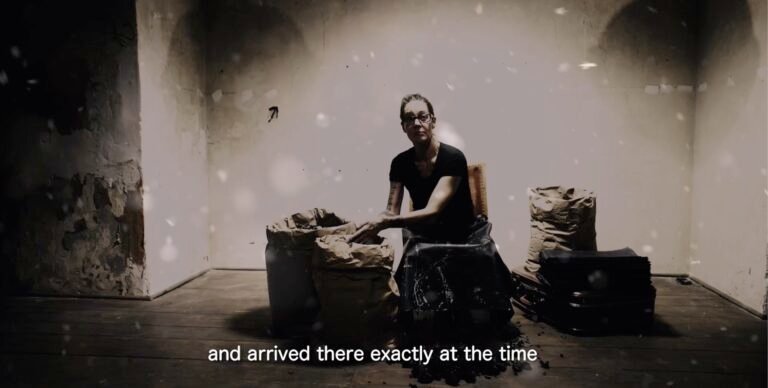
I was there and did nothing … KERSTIN BENNIER [ AT ]
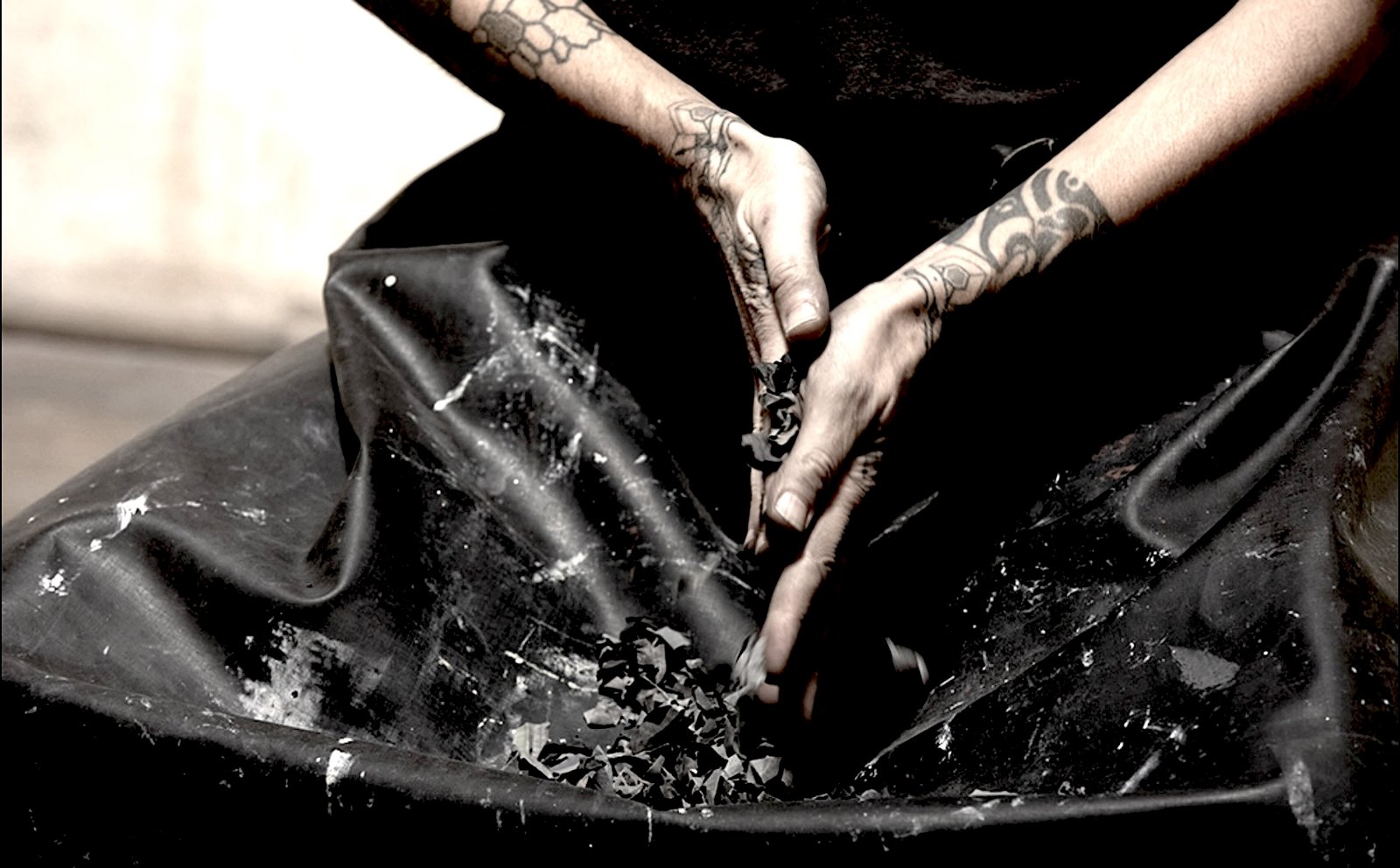
The journey can be navigated along space-time patterns.

K O L E N O [ CZ ]
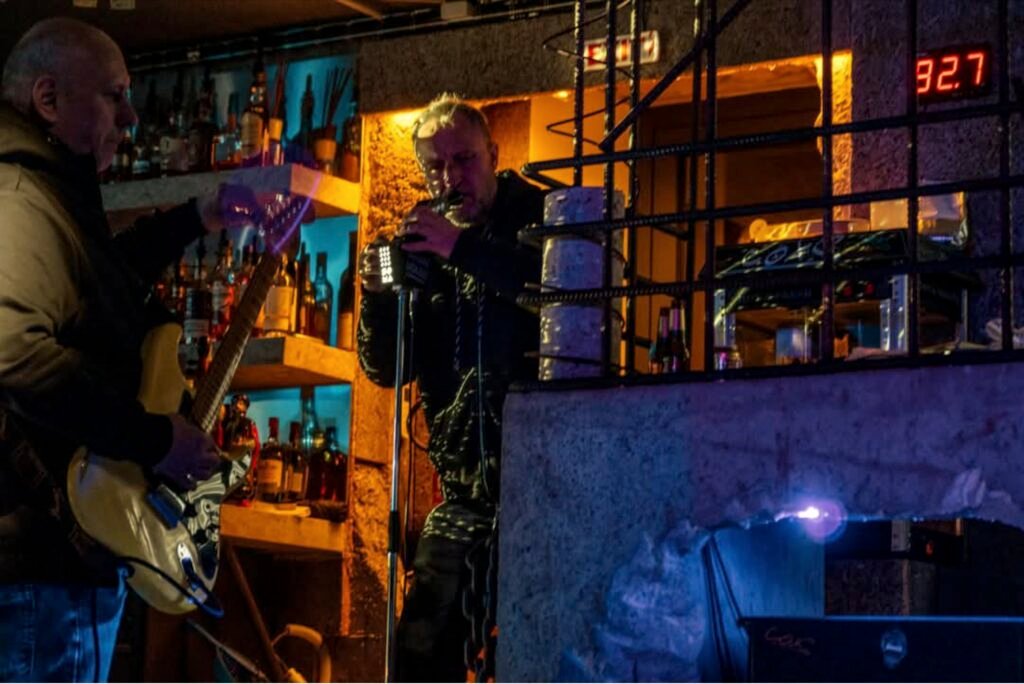
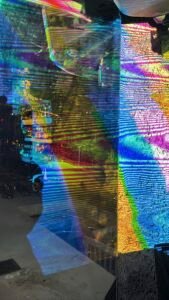
KOLENO is a fluid, experimental collective operating within the audiovisual interface.
The group adapts to each performance space and the mood of its performers. Because the performances are based on improvisation, no two are ever the same. The fluidity of the performance is also determined by the possibility of spectators and passersby intervening during the site-specific performance.
Koleno uses various musical instruments and audio synthesizers in its performances. The group does not shy away from using improvised vocal expressions. For the visual component, Koleno uses video synthesizers to modify video streams with audio, as well as new and discarded projectors whose defects serve as a unique advantage. The group uses systems of handmade mirror assemblies to multiply and emphasize the projected theme.
SARAH HORIZON 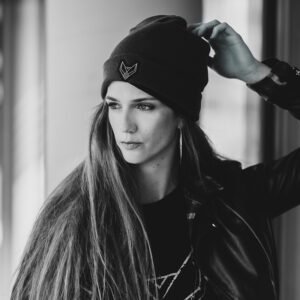
artist, producer, and sound engineer based in Vienna
invites you to join her on a journey
Media – exhibition – film selections