
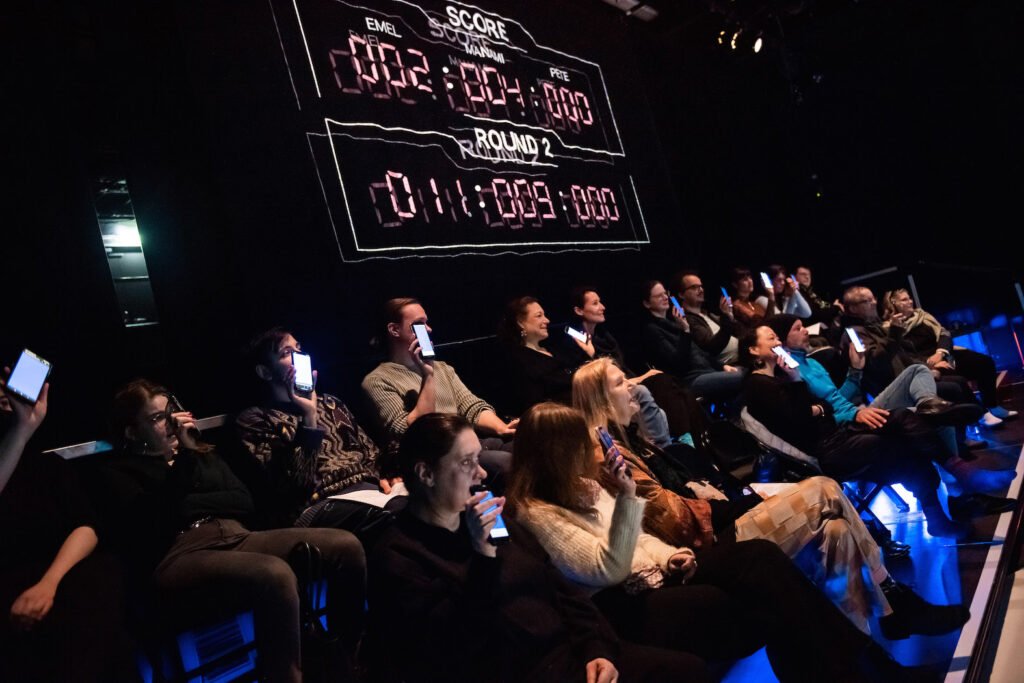
Picture from – the GAME – video documentary of the Game-simulation LAB
FLUVIALE at SITUace 2026
MISU – project : 29 – 05 – 2026
9th ROUTE SECTION of the performance by AIKO | public space | through town of Blansko

performance • art • installation : 30 – 05 – 2026 | AREA: Dvorská 1960
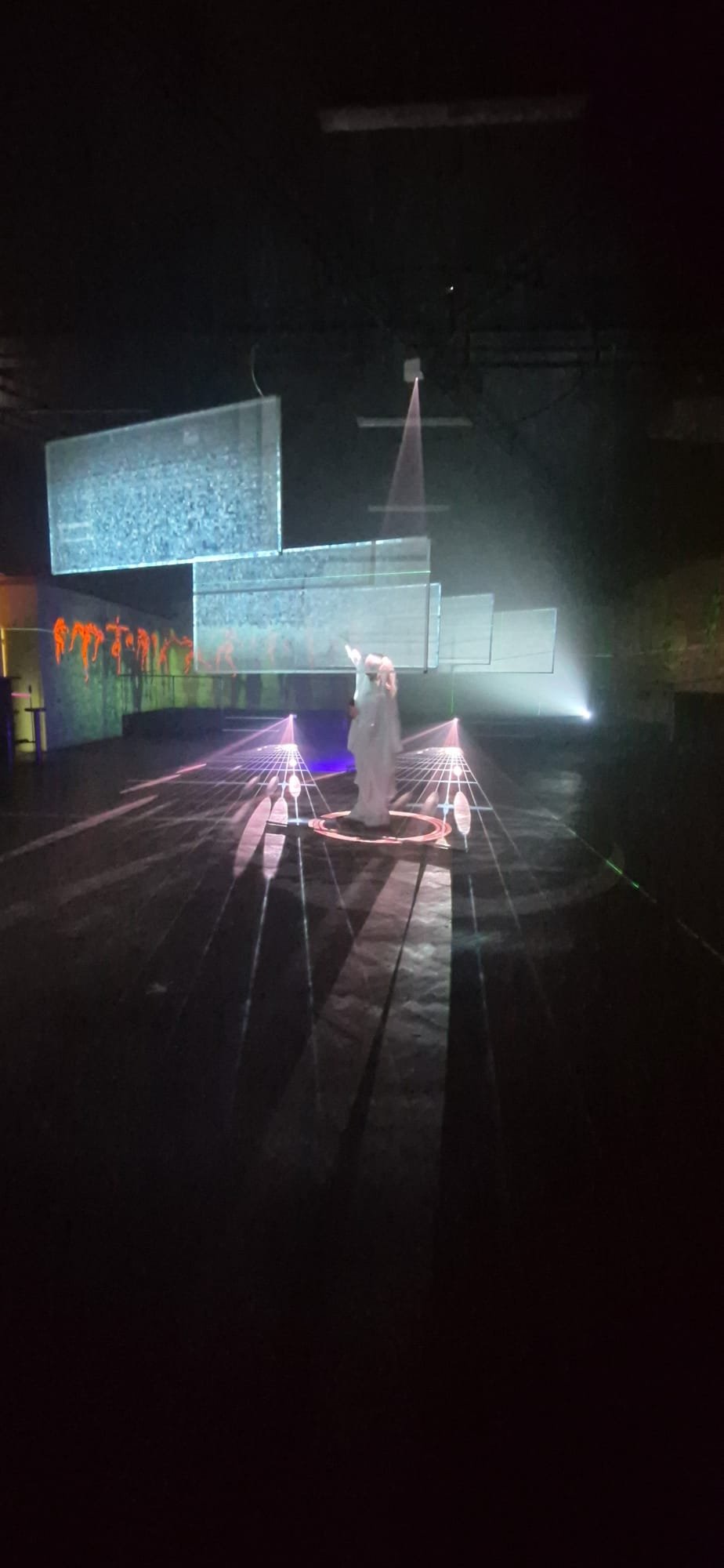
FERRUM – GAME of Resource Supremacy | 32 Dvorská 1960 | 678 01 BLANSKO
Walk-in interactive media installation by Thomas J. Jelinek, showing a landscape of projected realities, video installation, arranged on-site situated rooms
and performative interventions by Aiko.
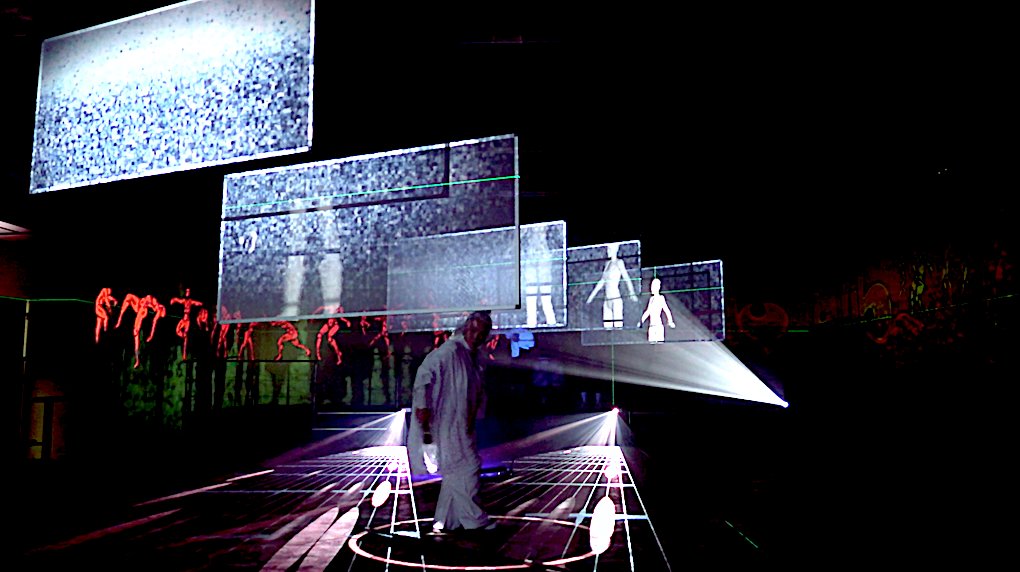
Direction, media and lighting/spatial design : Thomas J. Jelinek
Video works and media collaboration T.J. Jelinek, Peter Koger, Christoffer Koller
performative interventions Aiko Kazuko Kurosaki
New technologies and the processes of change brought about by technological development have, time and again throughout history, triggered major leaps in progress, thereby bringing about decisive changes in social, societal and political conditions. The current radical shifts in human society are complex and seem overwhelming, but they can easily be recognised in historical examples. Ironworking technology was a decisive turning point in human history and has shaped the development of civilisation in many ways. Iron was not merely a new material, but a catalyst for economic, military and social developments whose effects are still felt today.
The current transition is taking place on an entirely new level of information and information processing; thus, alongside rare earths, humanity itself has become a raw material within a system capable of completely transforming the scope of action, the playing field, whilst leaving the driving forces of trade and the mechanisms of the game as they have operated for the last 4,000 years, and has not progressed beyond the goals of enrichment, dominance and rule, yet has nevertheless developed a technological toolkit that alters the environment and living conditions, as well as the entire world of perception—or, to put it another way, the imaginative “noosphere” —into one in which AI uses playful elements to bind people, engages them and lures them into a colourful world that plays out ever more unmanageable trading patterns, which, as in a casino, reinterprets the game as a global one that begins with the race for resources and, through the manipulation of information, generates frivolous moves with serious and catastrophic effects in real life.
The most extreme form of the ‘real game’ are arguably the international financial markets – this is where the misconception is most apparent, as the players seem to be completely unaware of the consequences of their actions! Even the talented drone pilot or the ambitious influencer does not know exactly what they are actually causing in the real world. For this “reality” is in fact a form of hyperreality that extends far beyond the immediate causes and sphere of influence of the actors in question. It is no coincidence that game theory is used to make predictions in geopolitical conflicts and aggressive global economic struggles for market dominance.
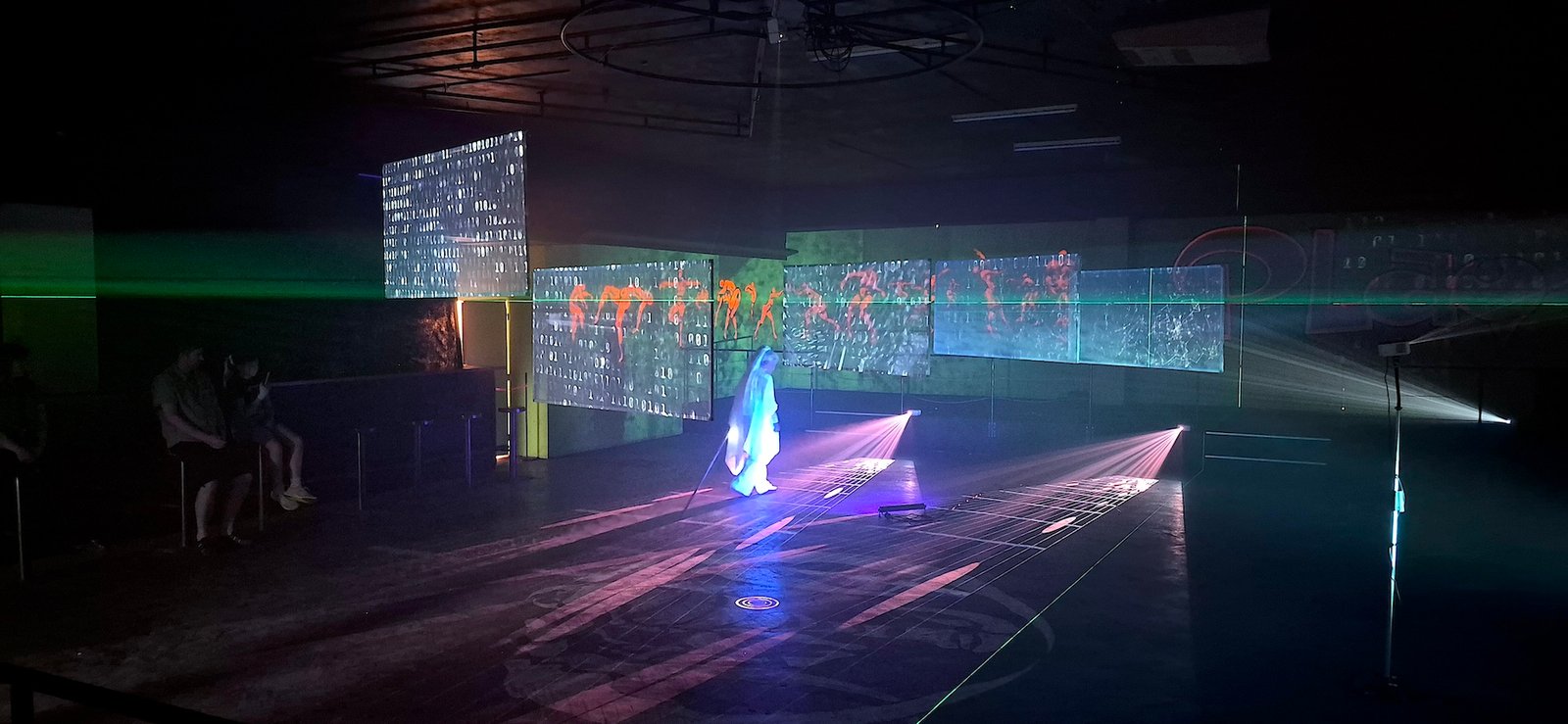
FERRUM – GAME – perhaps not coincidentally evokes associations with war-themed first-person shooter games – is an interactive installation that evokes the shadows of the gamification of shifting perspectives and the echoes of former playgrounds, abandoned by people yet still holding the memory of another time, with projections that reveal fragments and abstract forms of the current global games, which can also be seen in the form of game shows on television news screens.
But play also holds crucial significance for human development. Experimentation through play and the desire to foresee the near future are fundamental motivations, just as all higher-order living beings in our biosphere have integrated play as a decisive factor in development and a part of a joyful life. Enjoyment is crucial for positive development and even triggers the physical growth of relevant brain regions. Since play and the practice of mastering the future are closely linked, reading and interacting with the signs and clues flitting past the walls and spaces of the installation may well be the first exercise in developing play patterns with which the challenges of our present can be transformed and overcome.
Video features in the walk-in installation spaces with:
performer / artists
Emel Heinreich • Manami Okazaki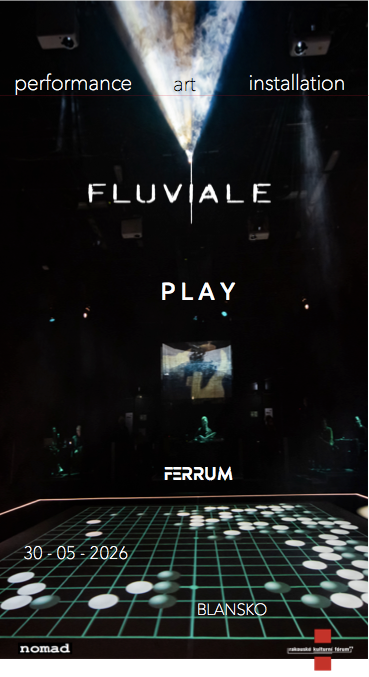 • Pete Simpson
overvoices
Deborah Gzesh • Tina Muliar • Harald Jokesch
moderation Thomas J. Jelinek
experts
Letizia Chiappini • Robert Glashüttner • Gerald Nestler • Carmen Lael Hines • Katherina Zakravsky and others …
discours-moderation
Christoph Hubatschke • Anna Hirschmann
morphoPoly Team:
Simone Carneiro • Natali Glišić • Nora Gutwenger • Olivia Jaques • David Kellner • Jan Lauth • Walter Roschnik Robert Zanona • KT Zakravsky
dramaturgy
Anna Hirschmann
music / composition / performing soundscape
Martin Siewert
video installation
Peter Koger • Thomas J. Jelinek
camera
Simone Carneiro • T.J. Jelinek • Kurt van der Vloedt • Günter Sadek-Sonnenberg
Editing – Pre- & Postproduction
Christoffer Koller, KOLLER&KADER
directing assistance
Linda Fress
curated by : Thomas J. Jelinek
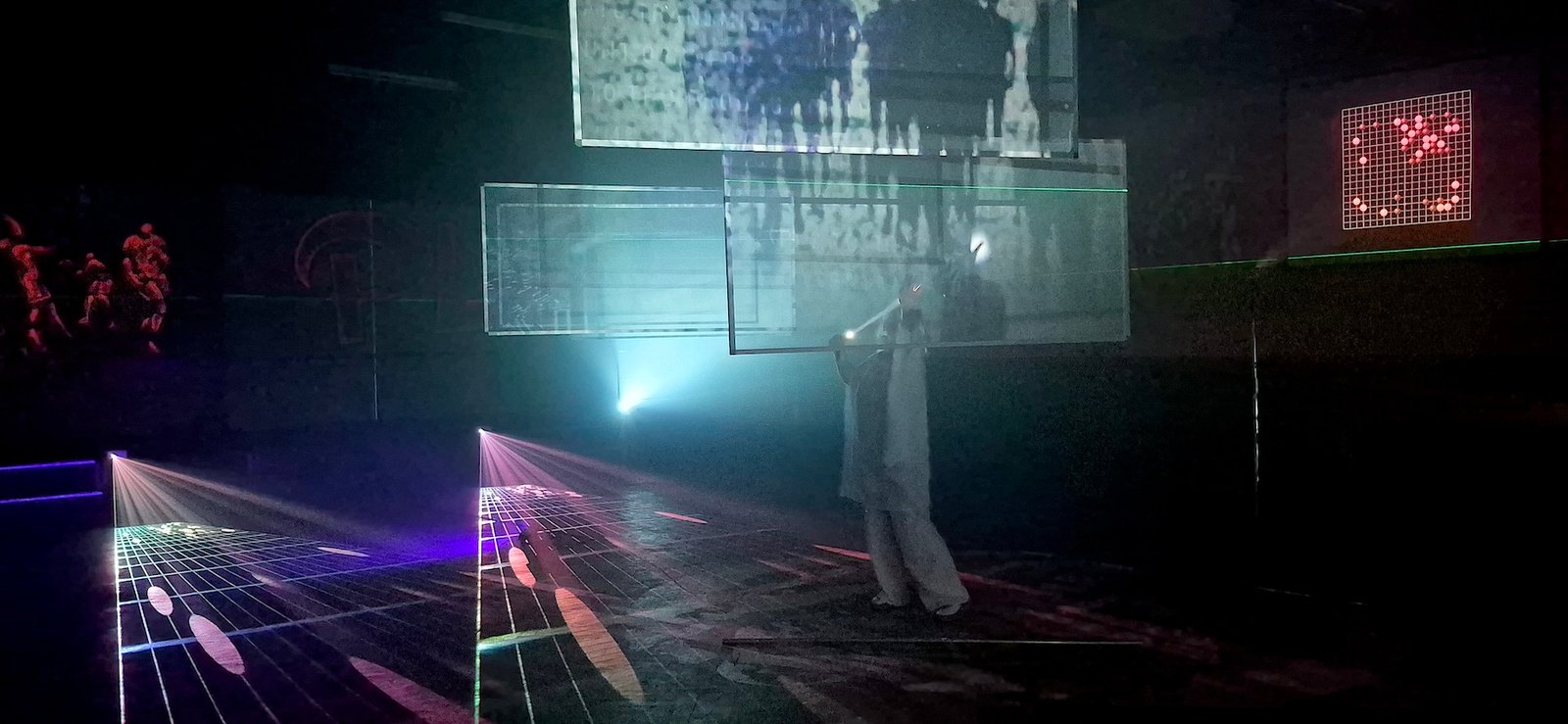
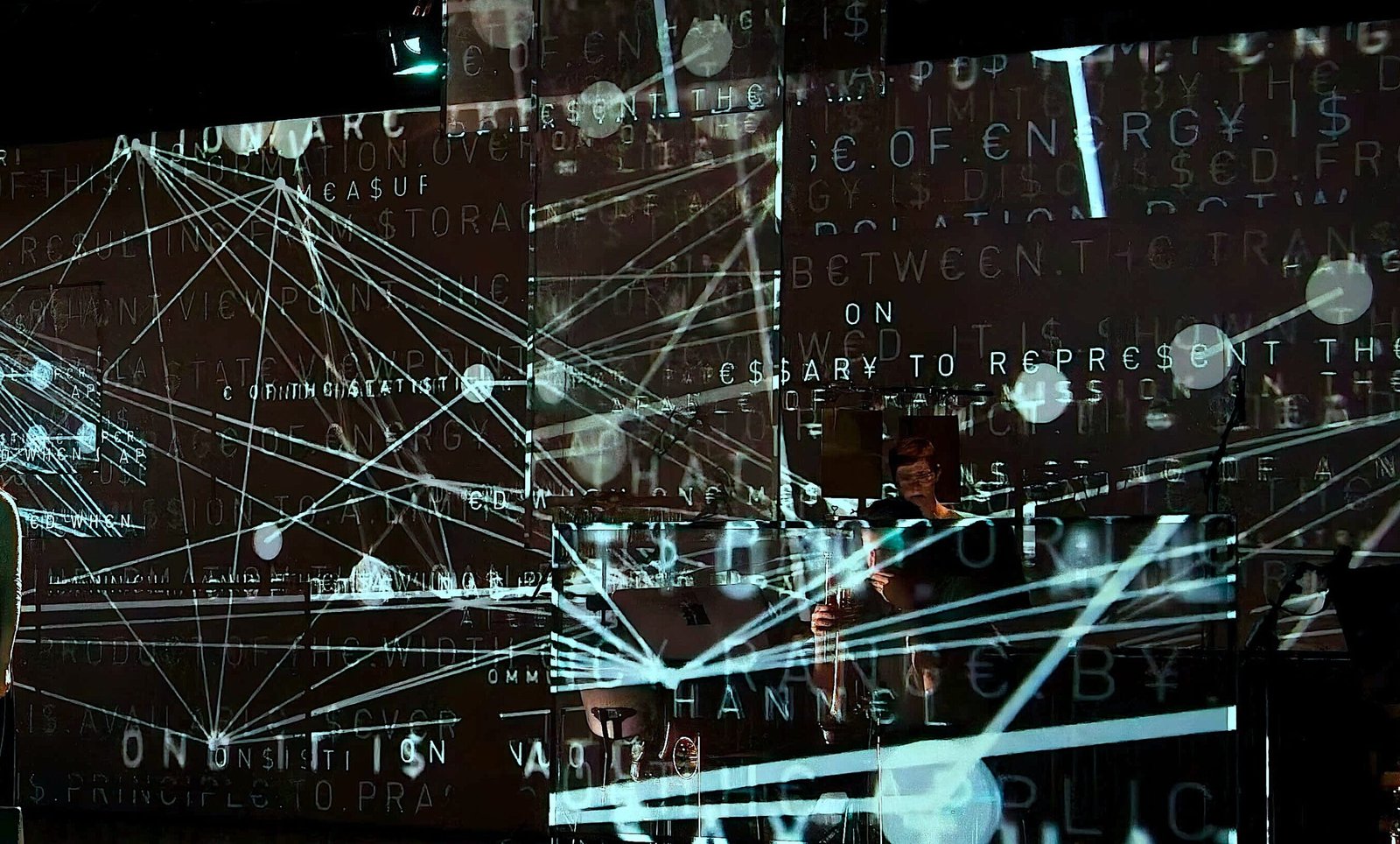
FERRUM – morphing – structure – table – media-installation
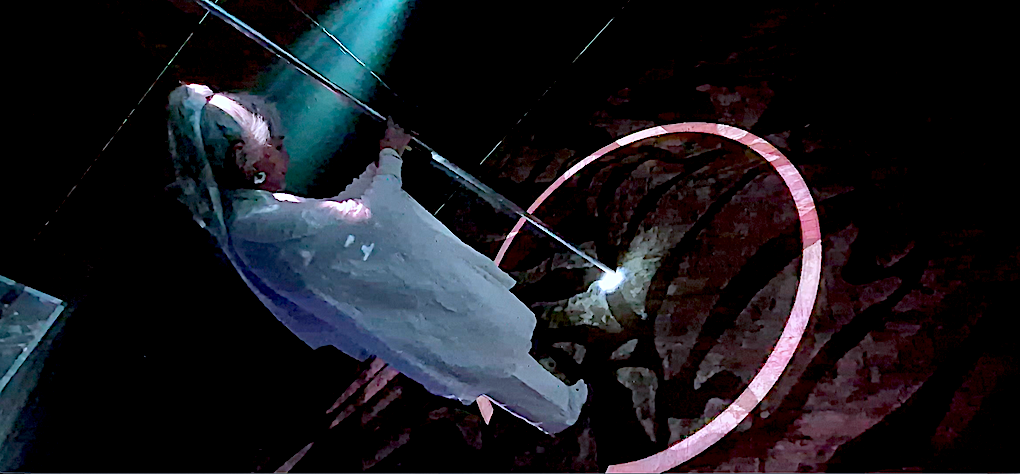
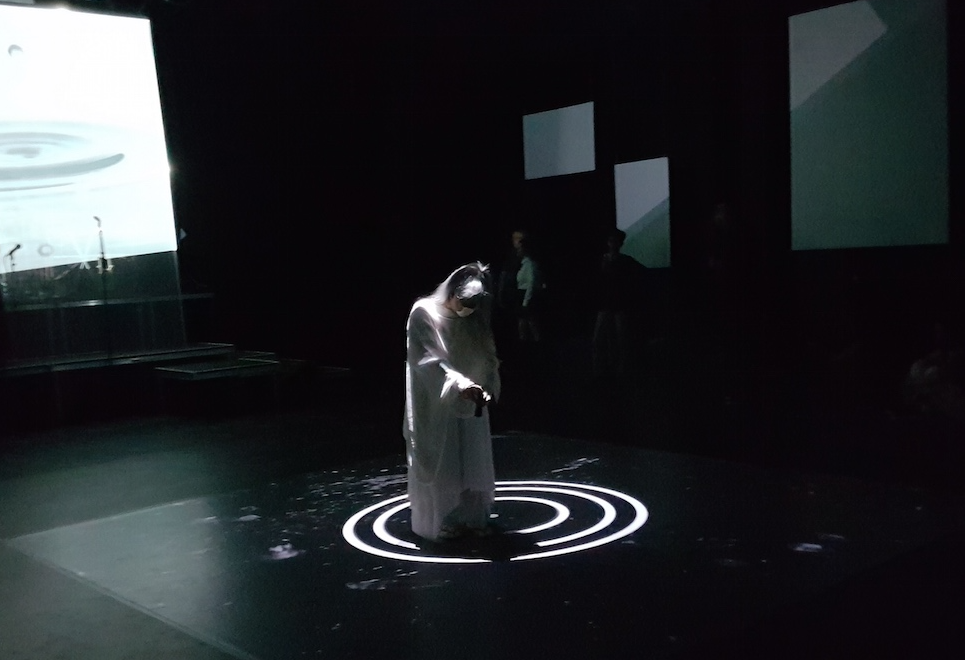
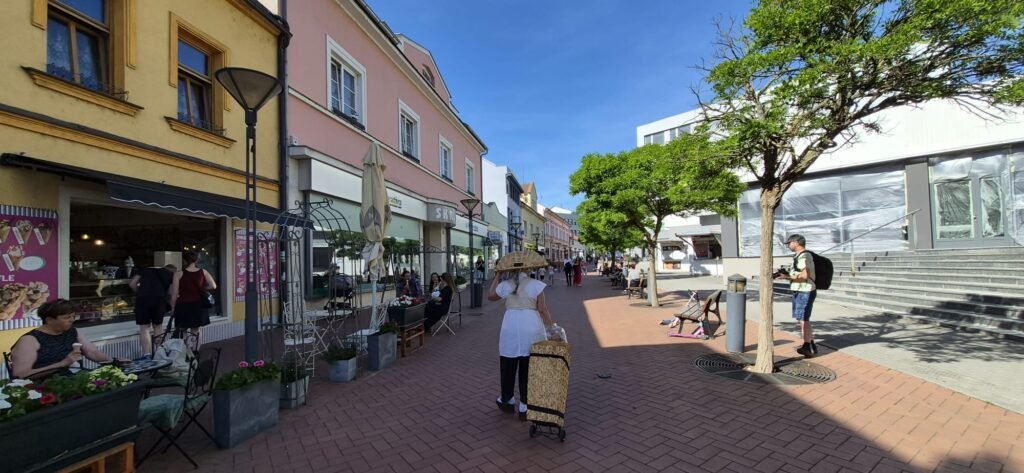
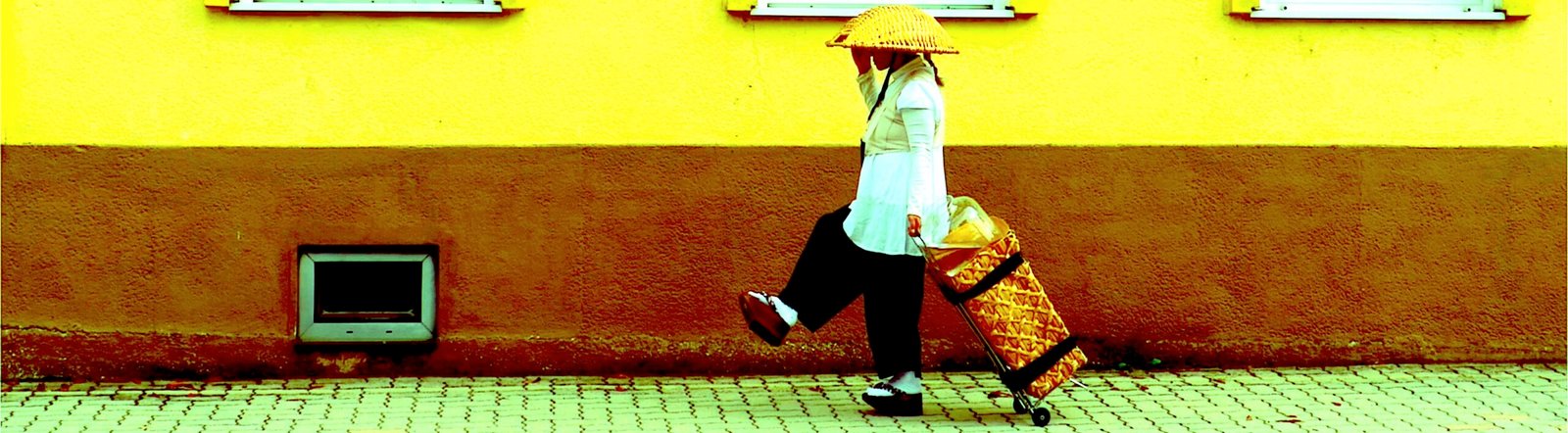
MIZU | AIKO KAZUKO KUROSAKI | 2010
Performance – Intervention in public space | Mizu is the Japanese word for “water” | video by T.J.Jelinek

supported by